







Ankle Pain, Instability & Tendon Disorders
Ankle Pain & Chronic Ankle Instability
Causes, symptoms, and treatment for chronic ankle pain and ankle instability, with care at 15 clinics across Middle Tennessee.
Understanding chronic ankle pain and ankle instability and your options.
Chronic ankle instability means the ankle keeps giving way. It often follows a sprain that never fully healed, leaving the ligaments loose and the ankle less steady. Pain can come and go, or stay for months.
It is common in athletes, but anyone who has sprained an ankle more than once can develop it. Getting care early can protect the joint from more damage.

Symptoms
Signs of chronic ankle pain and ankle instability.
If you notice these signs, an exam can give you clear answers.
- 01
The ankle rolls or gives way on uneven ground
- 02
Ongoing aching on the outer side of the ankle
- 03
Swelling that returns after activity
- 04
A feeling that the ankle cannot be trusted
Why it happens
What can cause chronic ankle pain and ankle instability.
- 01
Past sprains that healed poorly
- 02
Ligaments stretched or torn and never tightened
- 03
Weak muscles around the ankle
- 04
Rehab stopped too early after an injury

Diagnosis and care
How we treat chronic ankle pain and ankle instability.
Step 1 · Diagnosis
We ask how the ankle has been giving way and test how loose it feels. X-rays check the bones and joint alignment. If we suspect damage to ligaments, tendons, or cartilage, we may order an MRI or ultrasound.
Step 2 · Treatment
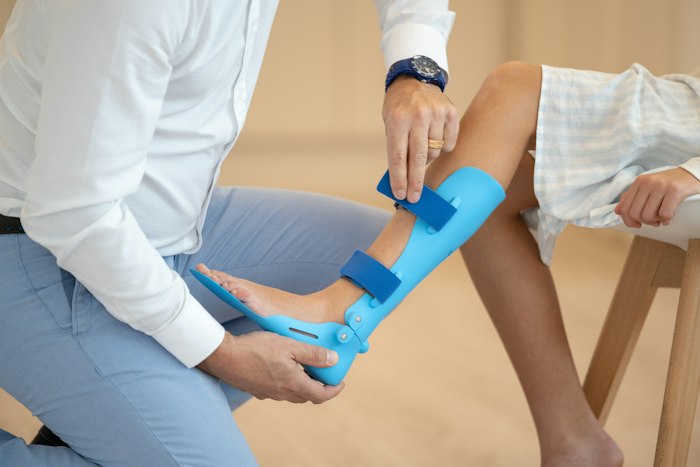
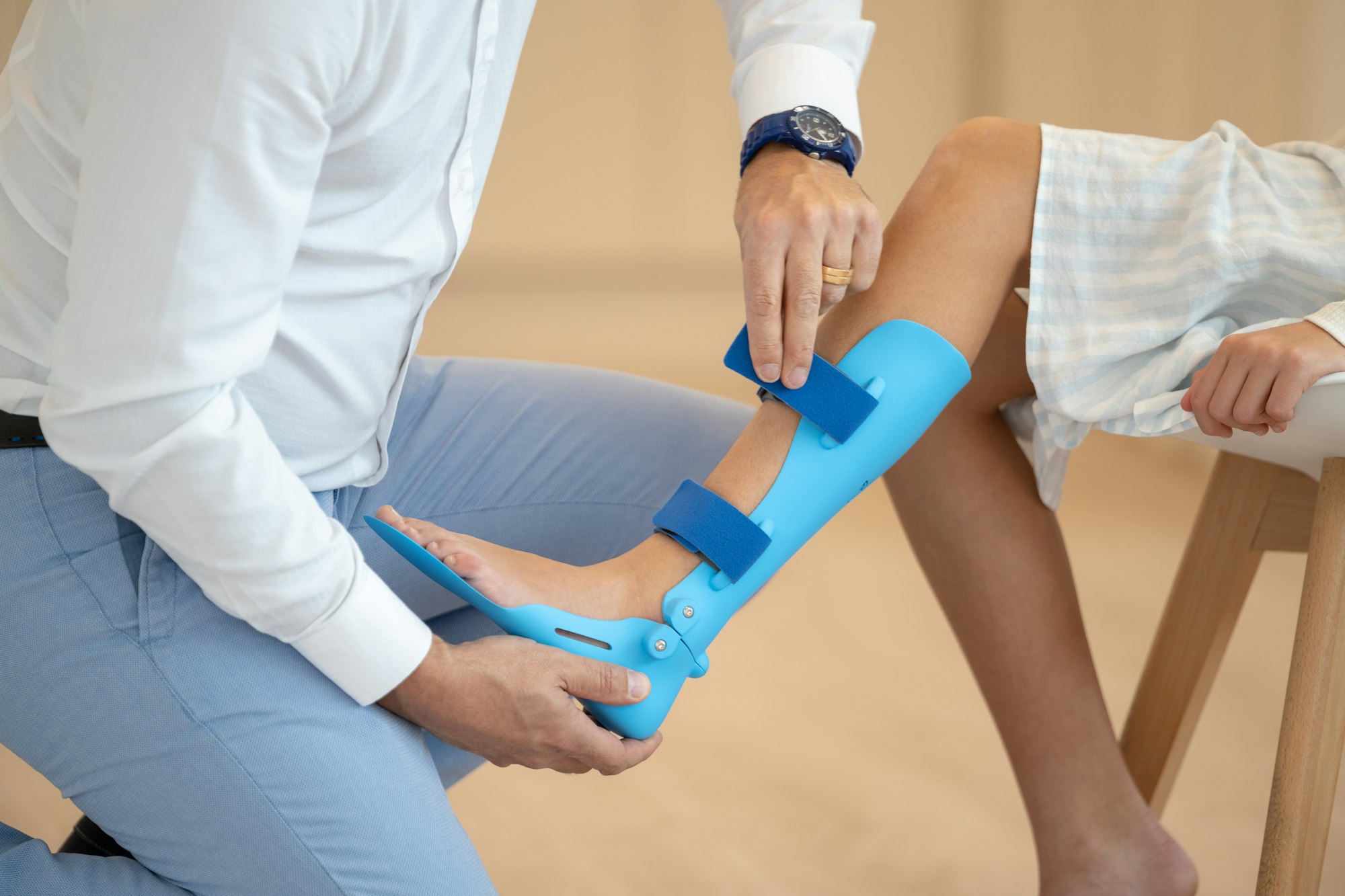
Most people start with physical therapy to build strength and balance. A brace or taping can steady the ankle during sports and hard work. Shoes with good support also help. Some people benefit from an injection to calm irritated tissue in the joint.
If the ankle still gives way after a good try at care, surgery can tighten or repair the ligaments. Any other damage found inside the joint can often be treated at the same time.
Recovery
What to expect over time.
Non-surgical care often takes several weeks to a few months of steady work. After surgery, full return to sports can take about four to six months or longer.
When to book
Do not wait it out.
See a podiatrist if your ankle has given way more than once or aches for weeks. Get seen soon if it swells, locks, or you cannot trust it to hold your weight.
Call 615-220-8788Related care
More in Ankle Pain, Instability & Tendon Disorders.
FAQ
Your questions answered.
Will a brace fix my unstable ankle?
A brace can add support and lower the risk of rolling. It works best together with strengthening and balance exercises.
Can I keep exercising with an unstable ankle?
Low-impact activity is often fine, but twisting sports may be risky. Ask us what is safe for you.
Get help with chronic ankle pain and ankle instability.
Where we treat it
Ankle Pain & Chronic Ankle Instability care at 15 clinics.
- Brentwood10644 Concord Road
- Clarksville1762 Memorial Dr
- Columbia1215 Hatcher Lane
- Cookeville120 Walnut Commons Lane, Suite A
- Gallatin179 Hancock St, Suite 300
- Goodlettsville824 Wren Rd
- Hermitage3901 Central Pike, Suite 353
- Lebanon430 West Main Street
- Mount Juliet2628 North Mount Juliet Road
- Murfreesboro536 N Thompson Ln, Suite F
- Nashville300 20th Avenue North, Suite 103
- Pulaski306 South 7th Street
- Shelbyville120 Frank Martin Rd, Suite 200
- Smyrna693 President Pl, Suite 103
- Waverly110 Hillwood Drive