



Bunions, Toes & Forefoot Conditions
Tailor's Bunion
Causes, symptoms, and treatment for tailor's bunions, with care at 15 clinics across Middle Tennessee.
Understanding tailor's bunions and your options.
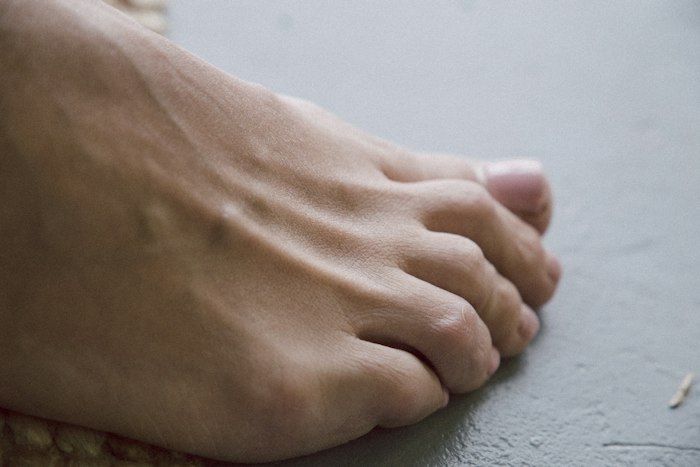
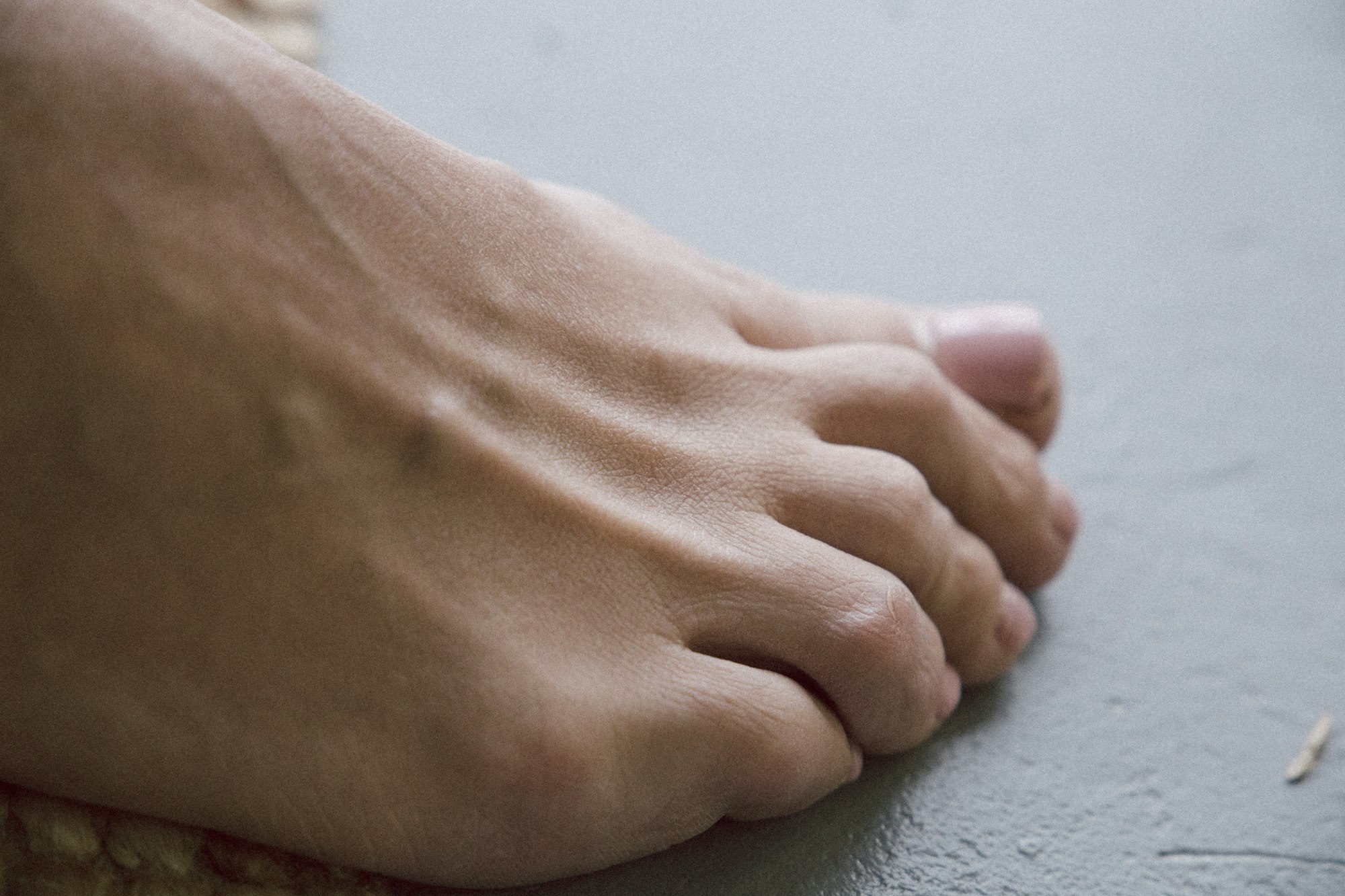
A tailor's bunion is a bump on the outside of the foot, at the base of the little toe. It forms when the small toe bone shifts inward and the joint sticks out. It is also called a bunionette.
It is common in people who wear narrow shoes or who were born with a certain foot shape. Early care can keep the bump from growing and rubbing more.
Also called: Bunionette
Symptoms
Signs of tailor's bunions.
If you notice these signs, an exam can give you clear answers.
- 01
A firm bump on the outer side of the foot
- 02
Redness or swelling over the bump
- 03
Pain when shoes press on the side of the foot
- 04
Thick skin or a corn over the bump
Why it happens
What can cause tailor's bunions.
- 01
Narrow or pointed shoes that squeeze the toes
- 02
An inherited foot shape or bone structure
- 03
A loose or unstable joint at the little toe
- 04
Long hours on your feet in tight footwear
Diagnosis and care
How we treat tailor's bunions.
Step 1 · Diagnosis
We look at the bump, check how the little toe moves, and see where shoes rub. A weight-bearing X-ray shows the angle of the bone and how far it has shifted. This helps us choose the right plan.
Step 2 · Treatment
Wider shoes with a roomy toe box are the first step. Soft pads can shield the bump from rubbing, and custom orthotics may ease pressure on the forefoot. If the area is inflamed, ice and a short course of anti-inflammatory care may help. Some patients also benefit from an injection to calm a sore, swollen joint.
Surgery is considered when pain continues despite good shoes and other care. The surgeon may reshape or realign the bone so the little toe sits straighter.
Recovery
What to expect over time.
Many people feel better within a few weeks of switching shoes and using pads. After surgery, expect roughly six to twelve weeks before returning to normal shoes, though this varies.
When to book
Do not wait it out.
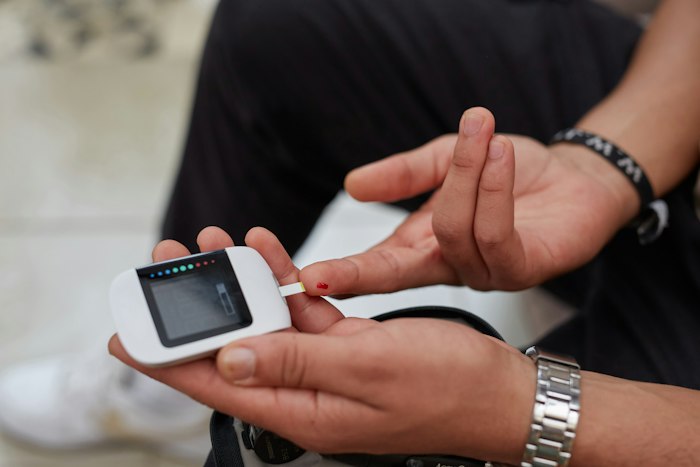
See a podiatrist if the bump hurts most days or if a sore keeps forming on it. Get checked sooner if you have diabetes or poor feeling in your feet.
Call 615-220-8788Related care
More in Bunions, Toes & Forefoot Conditions.
- Bunions in Adults & Adolescents
- Hallux Limitus, Hallux Rigidus & Big Toe Arthritis
- Hallux Varus
- Sesamoiditis, Sesamoid Fractures & AVN
- Hammertoes, Mallet Toes, Claw Toes & Curly Toes
- Overlapping, Underlapping & Joint Contractures
- Ball-of-Foot Pain, Metatarsalgia & Forefoot Overload
- Capsulitis & Plantar Plate Injuries and Tears
- Morton's Neuroma
- Freiberg's Disease & Intractable Plantar Keratosis
FAQ
Your questions answered.
Will a tailor's bunion go away on its own?
The bone shift does not reverse without surgery. Pain and rubbing can often be managed well with shoe changes and pads.
Are bunions and tailor's bunions the same?
They are similar, but a bunion forms at the big toe and a tailor's bunion forms at the little toe.
Get help with tailor's bunions.
Where we treat it
Tailor's Bunion care at 15 clinics.
- Brentwood10644 Concord Road
- Clarksville1762 Memorial Dr
- Columbia1215 Hatcher Lane
- Cookeville120 Walnut Commons Lane, Suite A
- Gallatin179 Hancock St, Suite 300
- Goodlettsville824 Wren Rd
- Hermitage3901 Central Pike, Suite 353
- Lebanon430 West Main Street
- Mount Juliet2628 North Mount Juliet Road
- Murfreesboro536 N Thompson Ln, Suite F
- Nashville300 20th Avenue North, Suite 103
- Pulaski306 South 7th Street
- Shelbyville120 Frank Martin Rd, Suite 200
- Smyrna693 President Pl, Suite 103
- Waverly110 Hillwood Drive