



Pediatric Foot Care
Corns, Calluses & Cracked Heels
Causes, symptoms, and treatment for corns, calluses, and cracked heels, with care at 15 clinics across Middle Tennessee.
Understanding corns, calluses, and cracked heels and your options.
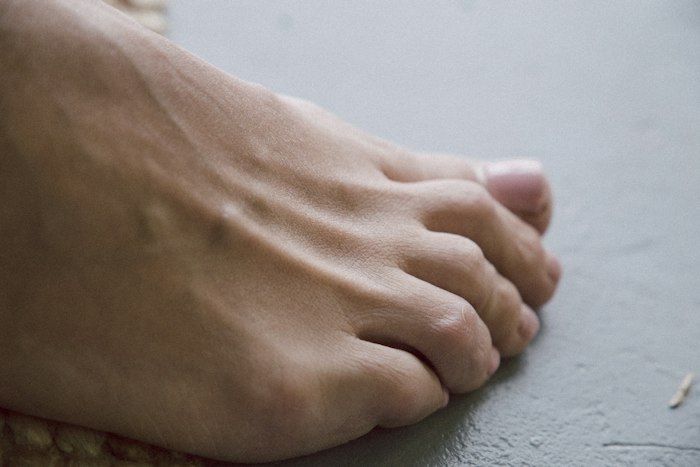
Corns and calluses are thick, hard patches of skin that form where your foot rubs or takes extra pressure. Cracked heels are dry, thick skin that splits open at the back of the foot.
These problems are common in adults and active people. You may see rough skin at first, then feel soreness when you walk. Care early can keep small cracks from becoming deep or painful.

Symptoms
Signs of corns, calluses, and cracked heels.
If you notice these signs, an exam can give you clear answers.
- 01
Hard, yellowish patches on the toes or ball of the foot
- 02
Small, painful bumps that hurt when pressed
- 03
Dry, flaky skin around the heel edge
- 04
Deep cracks that sting or sometimes bleed
Why it happens
What can cause corns, calluses, and cracked heels.
- 01
Shoes that rub, pinch, or fit too tightly
- 02
Toe shape problems like hammertoes
- 03
Walking barefoot or wearing open backed shoes
- 04
Very dry skin or long periods of standing
Diagnosis and care
How we treat corns, calluses, and cracked heels.
Step 1 · Diagnosis
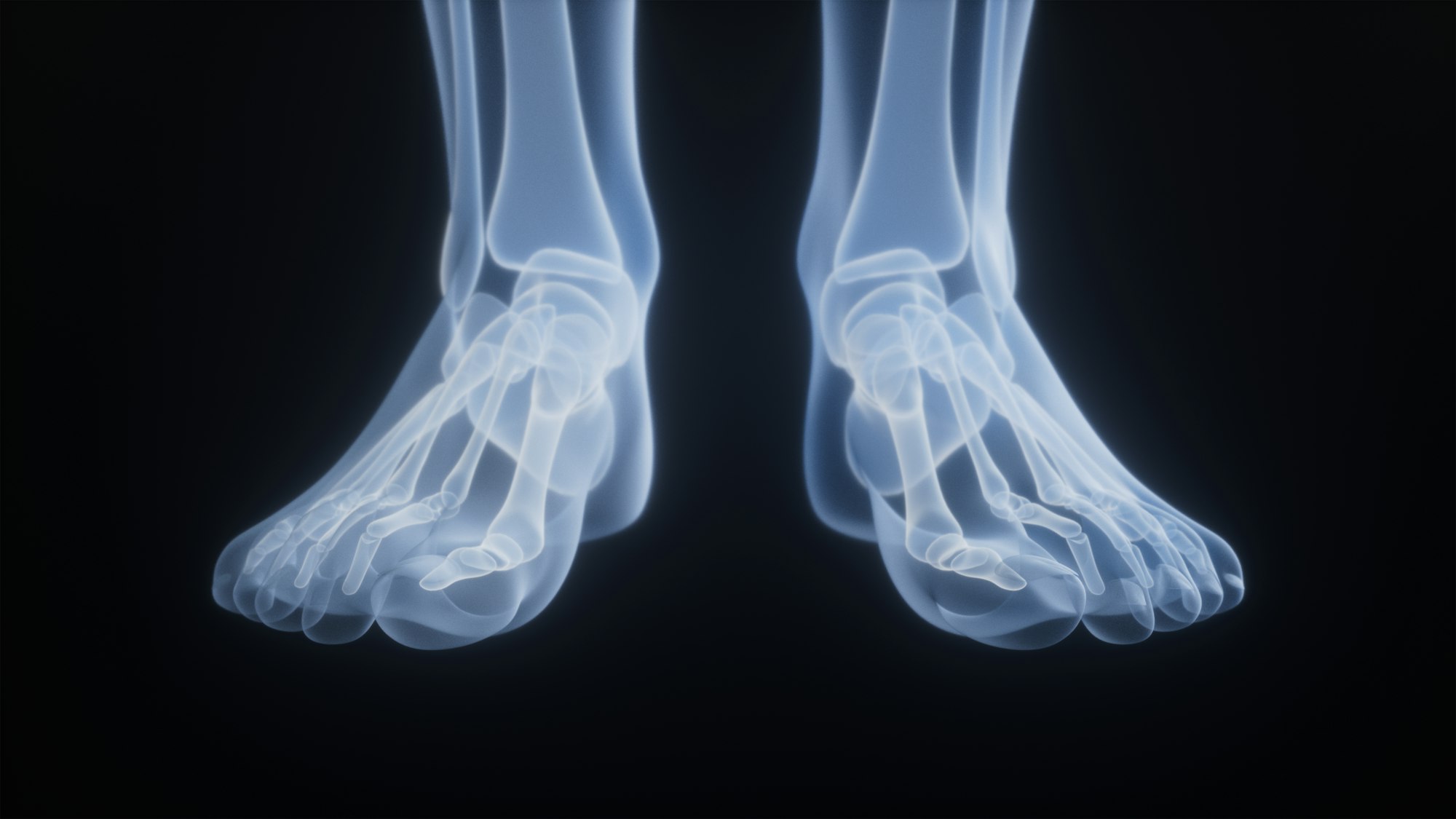
We look at the thick skin and find where the pressure is coming from. We check your toe shape, gait, and shoes. If a bump does not look like a normal corn, we may look more closely to rule out other skin growths. X-rays can help when a bone shape may be adding pressure.
Step 2 · Treatment
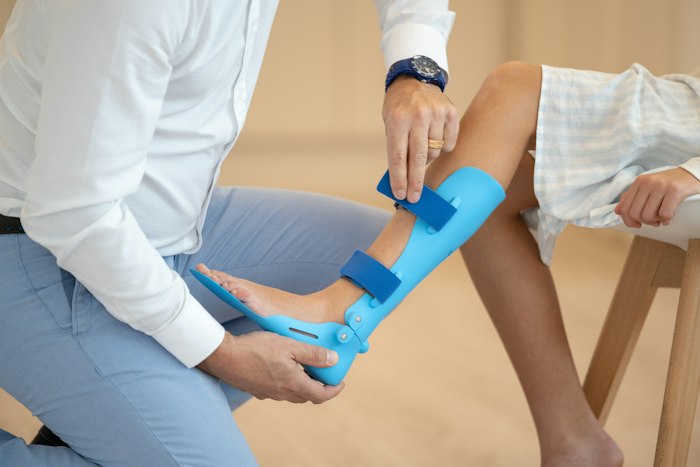
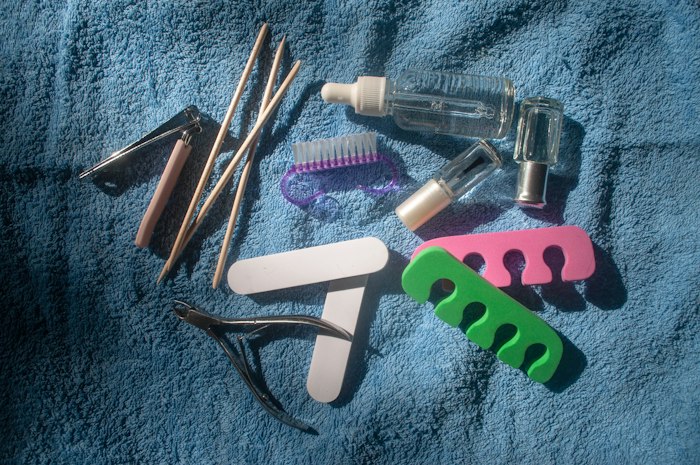
We can gently trim thick skin in the office, which often brings quick relief. Moisturizing creams with softening ingredients help keep heels supple. Padding, toe spacers, and roomier shoes reduce rubbing. Custom orthotics can spread pressure more evenly across the foot. Please do not cut corns at home or use strong acid pads if you have diabetes or poor circulation.
Surgery is rarely needed. If a bone shape keeps causing painful corns, a small procedure to reshape the area may be an option.
Recovery
What to expect over time.
After trimming, most people feel better right away. Skin can build up again if the cause stays the same, so ongoing care over weeks and months helps.
When to book
Do not wait it out.
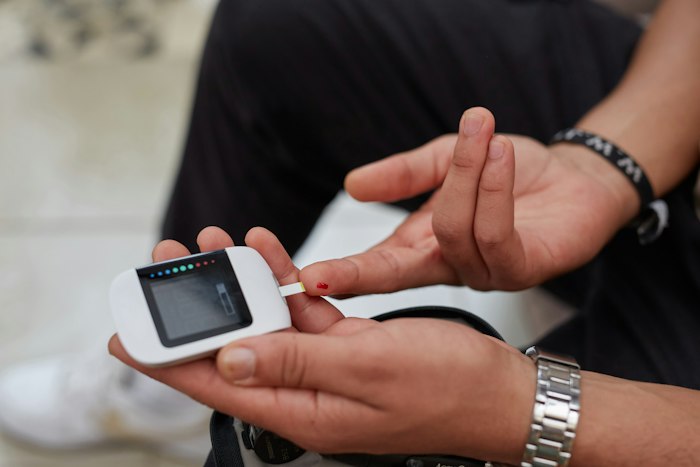
See a podiatrist if a corn or callus hurts, bleeds, or looks red or warm. Come in soon for deep heel cracks, or right away if you have diabetes.
Call 615-220-8788FAQ
Your questions answered.
Why do my corns keep coming back?
The pressure that made them is usually still there. Changing shoes or using padding and orthotics can help.
Can I use a pumice stone on my heels?
Gentle use after a shower is fine for most people. Skip it if you have diabetes or numb feet, and ask us first.
Get help with corns, calluses, and cracked heels.
Where we treat it
Corns, Calluses & Cracked Heels care at 15 clinics.
- Brentwood10644 Concord Road
- Clarksville1762 Memorial Dr
- Columbia1215 Hatcher Lane
- Cookeville120 Walnut Commons Lane, Suite A
- Gallatin179 Hancock St, Suite 300
- Goodlettsville824 Wren Rd
- Hermitage3901 Central Pike, Suite 353
- Lebanon430 West Main Street
- Mount Juliet2628 North Mount Juliet Road
- Murfreesboro536 N Thompson Ln, Suite F
- Nashville300 20th Avenue North, Suite 103
- Pulaski306 South 7th Street
- Shelbyville120 Frank Martin Rd, Suite 200
- Smyrna693 President Pl, Suite 103
- Waverly110 Hillwood Drive