



Flat Feet, High Arches & Alignment Disorders
Flat Feet in Adults, Including Acquired Flatfoot
Causes, symptoms, and treatment for adult flat feet, with care at 15 clinics across Middle Tennessee.
Understanding adult flat feet and your options.
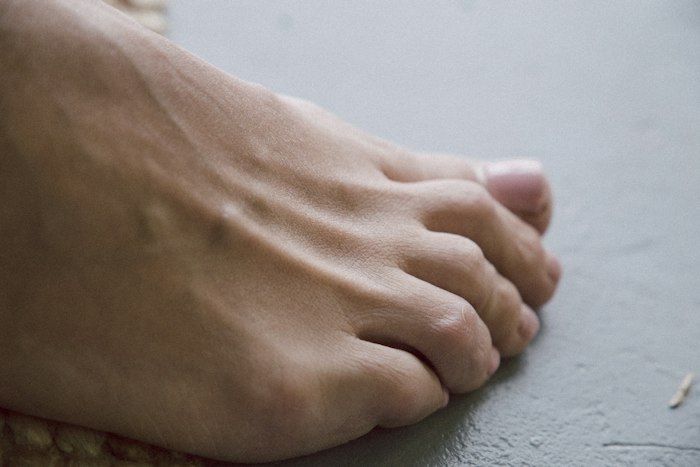
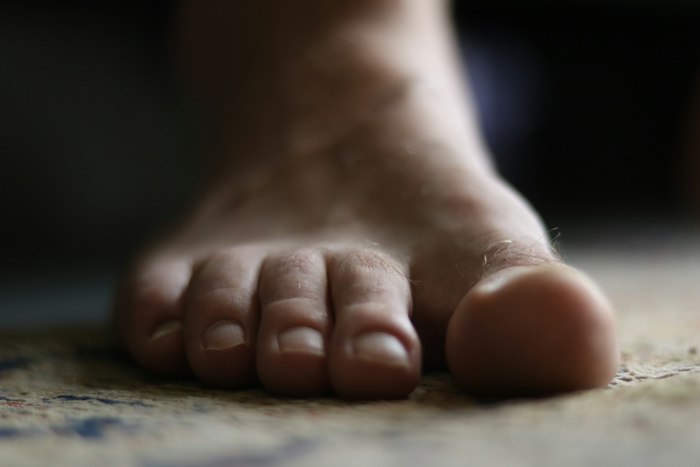
Flat feet means the arch of the foot is low or touches the ground when you stand. Acquired flatfoot is when the arch falls later in life, often because a supporting tendon weakens. Many people with flat feet have no trouble at all.
When pain does show up, it is often along the inside of the foot or ankle. A new change in your arch is worth having checked.
Also called: Pes Planus
Symptoms
Signs of adult flat feet.
If you notice these signs, an exam can give you clear answers.
- 01
Tired, achy feet after standing or walking
- 02
Pain along the inside of the ankle or arch
- 03
Swelling on the inner ankle
- 04
Feet that seem to turn outward
Why it happens
What can cause adult flat feet.
- 01
Weakening of the tendon that lifts the arch
- 02
Foot shape passed down in families
- 03
Injury, arthritis, or extra body weight
- 04
Aging and wear over many years
Diagnosis and care
How we treat adult flat feet.
Step 1 · Diagnosis
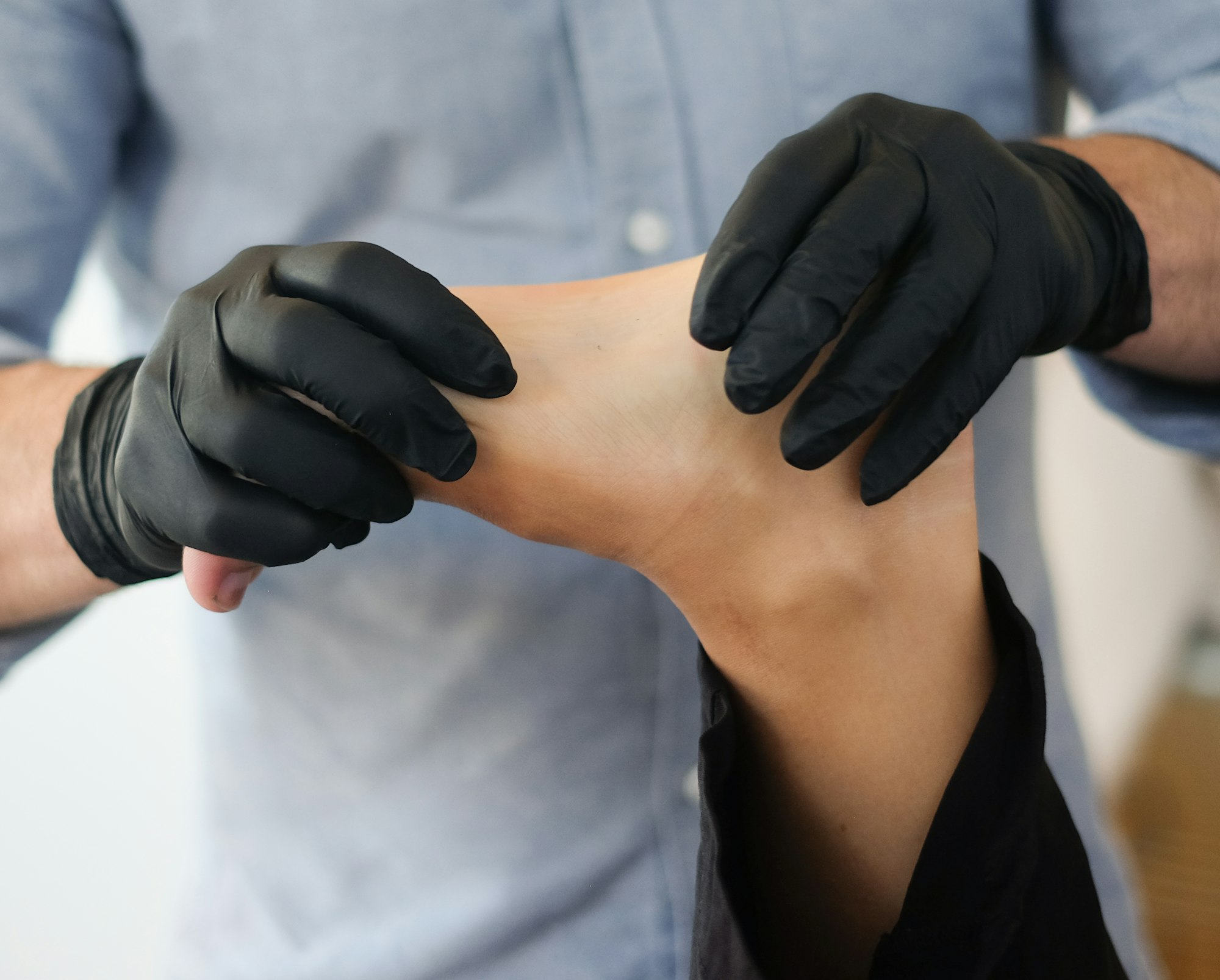
We watch you stand, walk, and rise up on your toes to see how the arch works. A standing X-ray of the foot and ankle shows the bone alignment. Ultrasound or MRI may be added if a tendon injury is suspected.
Step 2 · Treatment
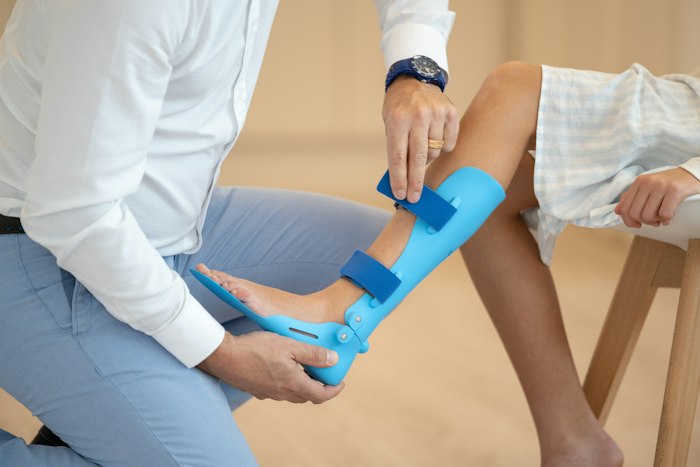
Supportive shoes and custom orthotics are the mainstay for a painful flat foot. A brace or walking boot can rest an irritated tendon. Physical therapy builds strength in the foot and calf. Weight management, ice, and activity changes also help.
Surgery is reserved for people with ongoing pain or a worsening shape despite other care. Options include repairing tendons, realigning bones, or fusing painful joints.
Recovery
What to expect over time.
With good support, many people feel better in a matter of weeks to a few months. Surgical recovery is longer and may take several months.
When to book
Do not wait it out.
See a podiatrist if your arch has changed, or if the inside of your ankle hurts or swells. Get checked promptly if one foot looks flatter than the other.
Call 615-220-8788Related care
More in Flat Feet, High Arches & Alignment Disorders.
FAQ
Your questions answered.
Do all flat feet need treatment?
No. If your feet do not hurt and you move well, you may not need any care.
Can flat feet cause knee or back pain?
They may add strain higher up in some people. Supportive inserts can sometimes help.
Get help with adult flat feet.
Where we treat it
Flat Feet in Adults, Including Acquired Flatfoot care at 15 clinics.
- Brentwood10644 Concord Road
- Clarksville1762 Memorial Dr
- Columbia1215 Hatcher Lane
- Cookeville120 Walnut Commons Lane, Suite A
- Gallatin179 Hancock St, Suite 300
- Goodlettsville824 Wren Rd
- Hermitage3901 Central Pike, Suite 353
- Lebanon430 West Main Street
- Mount Juliet2628 North Mount Juliet Road
- Murfreesboro536 N Thompson Ln, Suite F
- Nashville300 20th Avenue North, Suite 103
- Pulaski306 South 7th Street
- Shelbyville120 Frank Martin Rd, Suite 200
- Smyrna693 President Pl, Suite 103
- Waverly110 Hillwood Drive