



Bunions, Toes & Forefoot Conditions
Morton's Neuroma
Causes, symptoms, and treatment for Morton's neuroma, with care at 15 clinics across Middle Tennessee.
Understanding Morton's neuroma and your options.
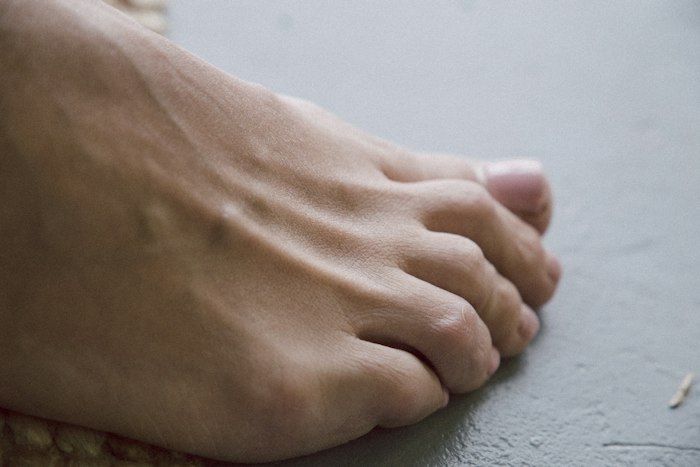
Morton's neuroma is a thickening of the tissue around a nerve between the toe bones. It usually occurs between the third and fourth toes. The pinched nerve can cause sharp, odd sensations in the front of the foot.
It is more common in adults, and women notice it more often. Acting early may help you avoid long-term nerve irritation.
Also called: Intermetatarsal Neuroma
Symptoms
Signs of Morton's neuroma.
If you notice these signs, an exam can give you clear answers.
- 01
Burning or tingling in the ball of the foot and toes
- 02
A feeling of a lump or wrinkled sock under the toes
- 03
Sharp pain that eases when you take off your shoes
- 04
Numbness in the space between two toes
Why it happens
What can cause Morton's neuroma.
- 01
Tight or narrow shoes that squeeze the toes
- 02
High heels that shift weight onto the forefoot
- 03
Repeated pressure from running or court sports
- 04
A flat foot or other foot shape that stresses the nerve

Diagnosis and care
How we treat Morton's neuroma.
Step 1 · Diagnosis
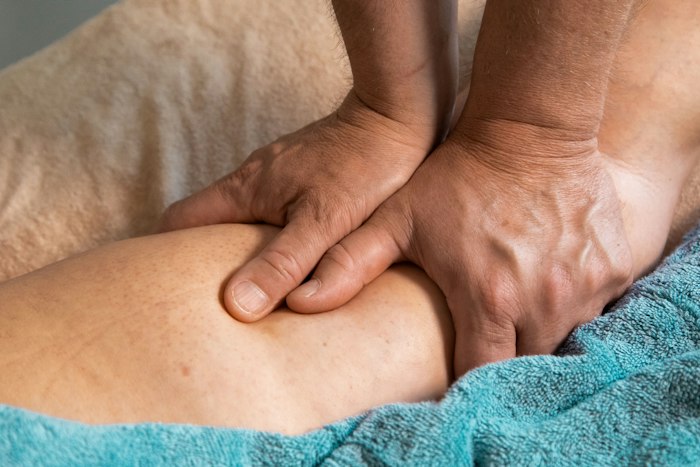
We press on the space between the toes and squeeze the forefoot to see if it brings on your symptoms. Ultrasound can often show the thickened nerve, and MRI may be used if the picture is unclear. X-rays help rule out other causes such as a stress fracture.
Step 2 · Treatment
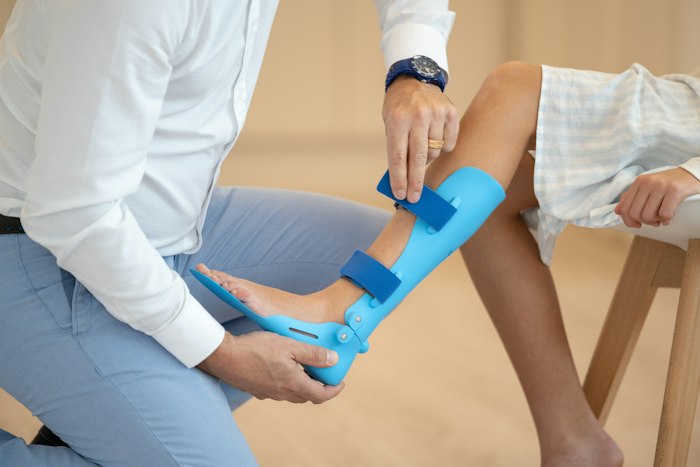
Wide shoes with a low heel give the nerve room. A small pad placed behind the ball of the foot can spread the toes apart, and custom orthotics can reduce pinching. Ice and rest from aggravating activity may calm flare-ups. An injection near the nerve is sometimes used for stubborn pain.
If symptoms continue after good non-surgical care, surgery can release pressure on the nerve or remove the affected piece of it. Your surgeon will explain the tradeoffs, including some lasting numbness.
Recovery
What to expect over time.
Many people improve over several weeks to a few months with shoe changes and pads. After surgery, expect a few weeks in protective footwear and gradual return to activity.
When to book
Do not wait it out.
Make a visit if burning or numbness in your toes lasts more than a week or two. Do not wait if the pain wakes you at night or keeps you from doing daily tasks.
Call 615-220-8788Related care
More in Bunions, Toes & Forefoot Conditions.
- Bunions in Adults & Adolescents
- Hallux Limitus, Hallux Rigidus & Big Toe Arthritis
- Hallux Varus
- Sesamoiditis, Sesamoid Fractures & AVN
- Tailor's Bunion
- Hammertoes, Mallet Toes, Claw Toes & Curly Toes
- Overlapping, Underlapping & Joint Contractures
- Ball-of-Foot Pain, Metatarsalgia & Forefoot Overload
- Capsulitis & Plantar Plate Injuries and Tears
- Freiberg's Disease & Intractable Plantar Keratosis
FAQ
Your questions answered.
Is a neuroma a tumor?
No. It is a thickening of tissue around a nerve, not a cancer.
Can I still wear heels?
Heels tend to make it worse. Save them for short events and choose roomy, low shoes most of the time.
Get help with Morton's neuroma.
Where we treat it
Morton's Neuroma care at 15 clinics.
- Brentwood10644 Concord Road
- Clarksville1762 Memorial Dr
- Columbia1215 Hatcher Lane
- Cookeville120 Walnut Commons Lane, Suite A
- Gallatin179 Hancock St, Suite 300
- Goodlettsville824 Wren Rd
- Hermitage3901 Central Pike, Suite 353
- Lebanon430 West Main Street
- Mount Juliet2628 North Mount Juliet Road
- Murfreesboro536 N Thompson Ln, Suite F
- Nashville300 20th Avenue North, Suite 103
- Pulaski306 South 7th Street
- Shelbyville120 Frank Martin Rd, Suite 200
- Smyrna693 President Pl, Suite 103
- Waverly110 Hillwood Drive