



Ankle Pain, Instability & Tendon Disorders
Posterior Tibial Tendinitis & PTTD
Causes, symptoms, and treatment for posterior tibial tendon problems (PTTD), with care at 15 clinics across Middle Tennessee.
Understanding posterior tibial tendon problems (PTTD) and your options.
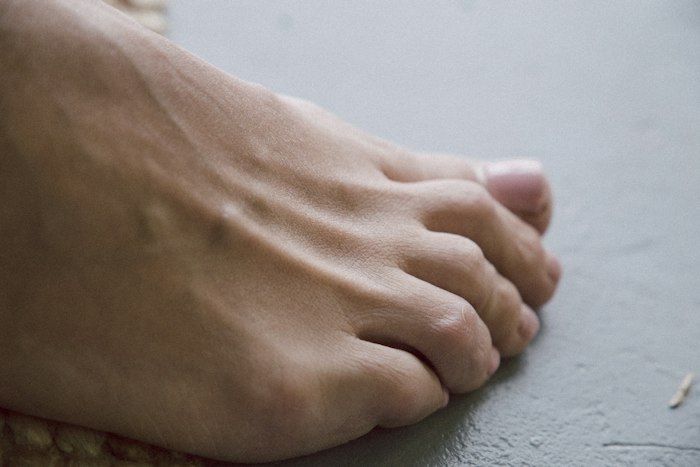
The posterior tibial tendon runs along the inside of the ankle and holds up your arch. When it is swollen, worn, or torn, the arch can slowly drop. This is called posterior tibial tendon dysfunction, or PTTD.
It is most common in adults, especially women over 40, but can affect others. Early treatment can slow the flattening of the foot and protect the tendon.
Also called: Tendon Dysfunction and Tears
Symptoms
Signs of posterior tibial tendon problems (PTTD).
If you notice these signs, an exam can give you clear answers.
- 01
Pain and swelling along the inside of the ankle
- 02
An arch that looks lower than before
- 03
Feet that turn outward as you walk
- 04
Trouble standing on your toes on one foot
Why it happens
What can cause posterior tibial tendon problems (PTTD).
- 01
Overuse from walking, running, or standing a lot
- 02
A fall or twist that strains the tendon
- 03
Flat feet or a weak arch
- 04
Age-related wear, obesity, or diabetes
Diagnosis and care
How we treat posterior tibial tendon problems (PTTD).
Step 1 · Diagnosis
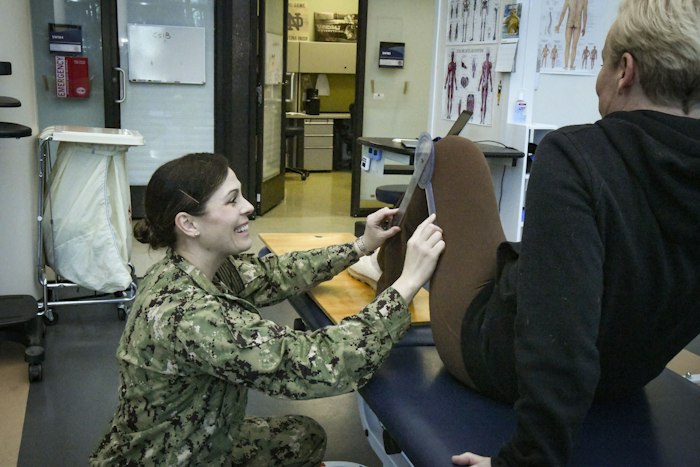
We watch you stand and walk, and we look at your arch and heel from behind. We ask you to rise up on your toes to test tendon strength. X-rays show the arch shape and any joint changes, and an MRI or ultrasound can show swelling or tears.
Step 2 · Treatment
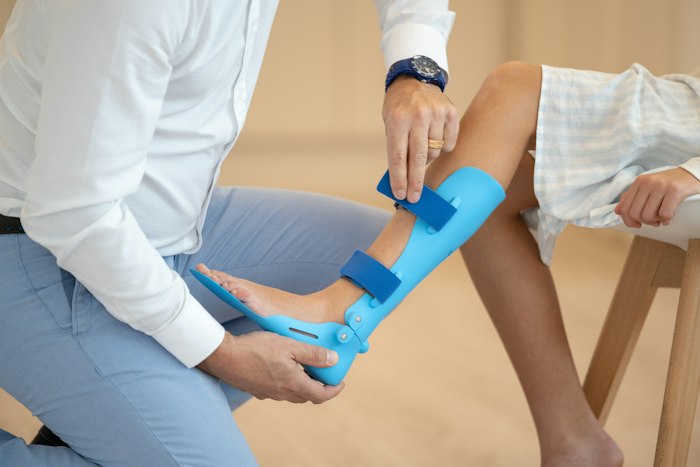
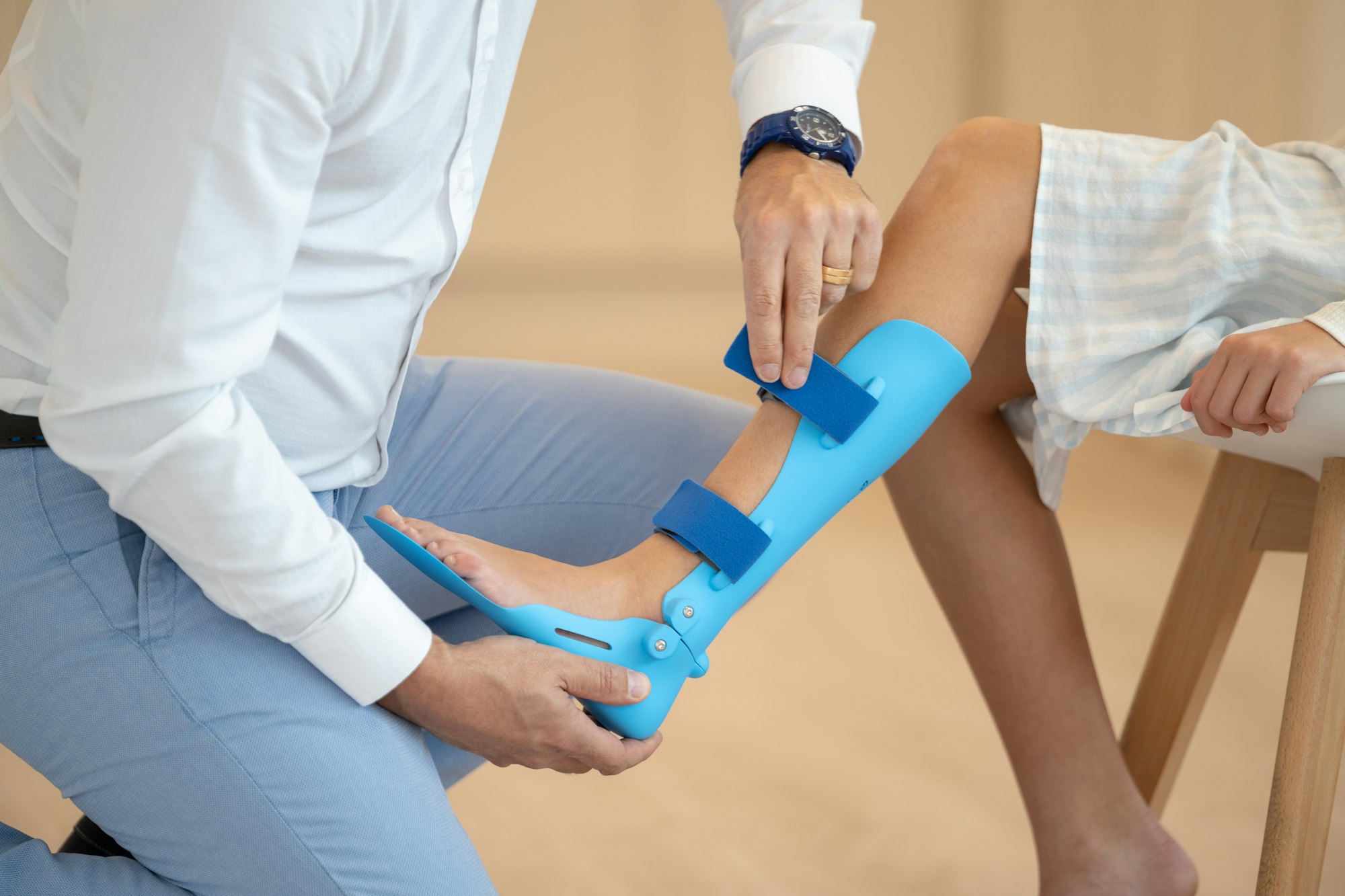
A boot or brace can rest the tendon in the early stage. Custom orthotics or braces then support the arch and lower strain. Supportive shoes and physical therapy help build strength and stability. Some people also use taping or an injection to calm pain.
If the tendon is badly torn or the foot keeps flattening, surgery can repair the tendon, move another tendon over, or realign bones. The choice depends on how stiff or flexible the foot is.
Recovery
What to expect over time.
Early cases often improve in a few months with steady support. Surgery recovery can take six months to a year.
When to book
Do not wait it out.
See a podiatrist if the inside of your ankle hurts and your arch seems to be falling. Do not wait, since early stages respond best.
Call 615-220-8788Related care
More in Ankle Pain, Instability & Tendon Disorders.
- Ankle Pain & Chronic Ankle Instability
- Ankle Sprains
- Ankle Ligament Tears & Joint Impingement
- Ankle Synovitis & Osteochondral Lesions of the Talus
- Peroneal Tendinitis, Tendinosis, Tears & Subluxation
- Flexor & Extensor Tendon Injuries and Ruptures
- Foot & Ankle Bursitis, Muscle Strains & Soft-Tissue Injuries
FAQ
Your questions answered.
Is a flat foot from PTTD the same as flat feet I was born with?
No. PTTD develops over time and causes pain, while some flat feet are lifelong and painless.
Can orthotics stop PTTD from getting worse?
They can lower strain on the tendon and slow the change. They work best with good shoes and follow-up.
Get help with posterior tibial tendon problems (PTTD).
Where we treat it
Posterior Tibial Tendinitis & PTTD care at 15 clinics.
- Brentwood10644 Concord Road
- Clarksville1762 Memorial Dr
- Columbia1215 Hatcher Lane
- Cookeville120 Walnut Commons Lane, Suite A
- Gallatin179 Hancock St, Suite 300
- Goodlettsville824 Wren Rd
- Hermitage3901 Central Pike, Suite 353
- Lebanon430 West Main Street
- Mount Juliet2628 North Mount Juliet Road
- Murfreesboro536 N Thompson Ln, Suite F
- Nashville300 20th Avenue North, Suite 103
- Pulaski306 South 7th Street
- Shelbyville120 Frank Martin Rd, Suite 200
- Smyrna693 President Pl, Suite 103
- Waverly110 Hillwood Drive