




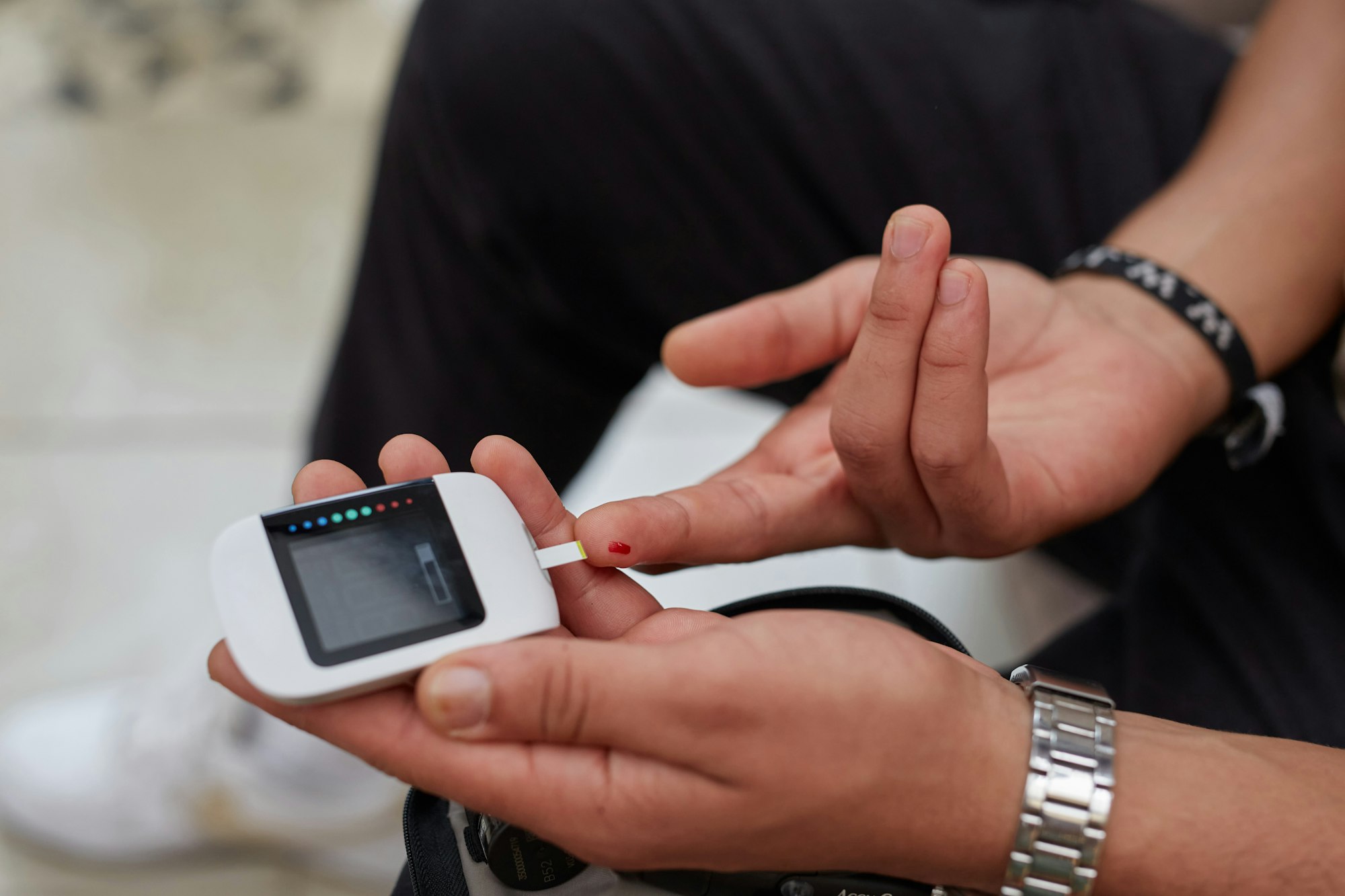
Diabetic Foot Care, Wounds & Circulation
Leg and Foot Swelling, Edema & Lymphedema
Causes, symptoms, and treatment for leg and foot swelling, with care at 15 clinics across Middle Tennessee.
Understanding leg and foot swelling and your options.
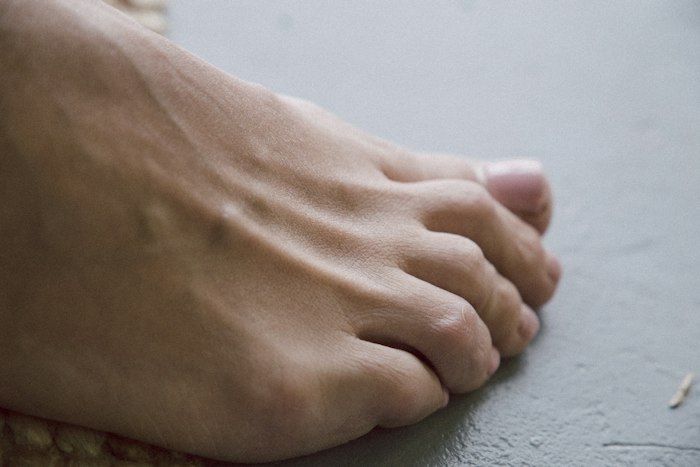
Swelling happens when extra fluid collects in the tissues of the legs and feet. This is called edema. Lymphedema is a longer-lasting kind caused by a problem in the lymph system, which normally drains fluid.
Swelling can come from standing all day, heart or vein problems, injury, or some medicines. It may go up and down or stay. Finding the cause matters, since some causes are serious.

Symptoms
Signs of leg and foot swelling.
If you notice these signs, an exam can give you clear answers.
- 01
Puffy feet, ankles, or legs that leave a dent
- 02
Shoes, socks, or rings that feel tight
- 03
Skin that looks stretched, shiny, or thick
- 04
A heavy, tired, or achy feeling in the legs
Why it happens
What can cause leg and foot swelling.
- 01
Weak leg veins that let fluid pool
- 02
Heart, kidney, or liver conditions
- 03
Injury, surgery, or damage to the lymph system
- 04
Long hours of standing or sitting, and some medicines
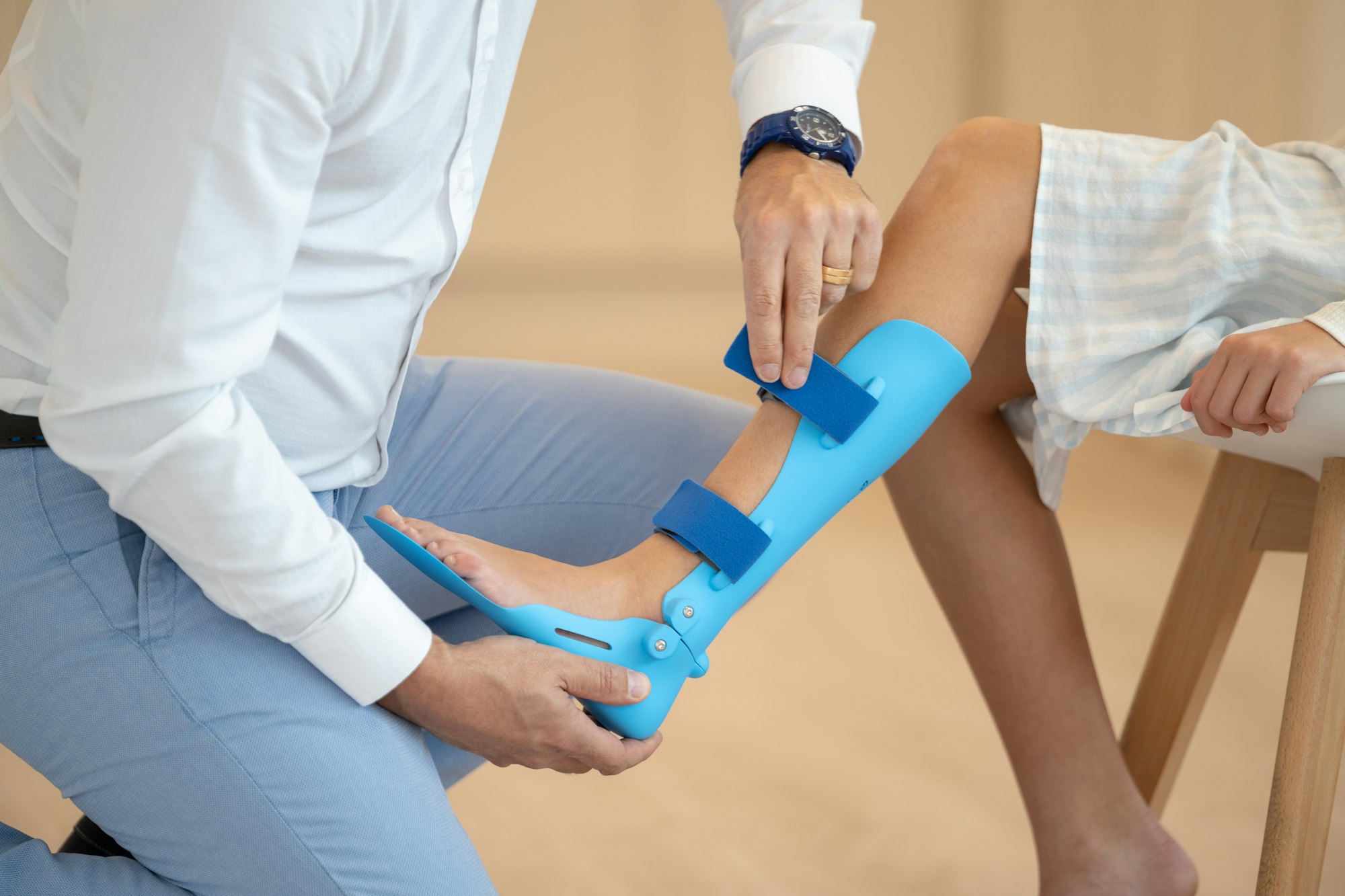
Diagnosis and care
How we treat leg and foot swelling.
Step 1 · Diagnosis
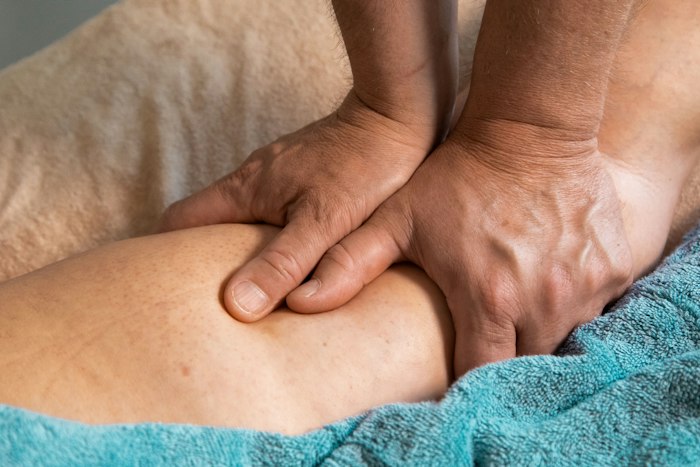
We check which areas are swollen, whether one or both legs are involved, and how the skin looks. We press on the skin and check pulses and the veins. Ultrasound can look for blood clots or vein problems, and blood tests may point to other causes.
Step 2 · Treatment
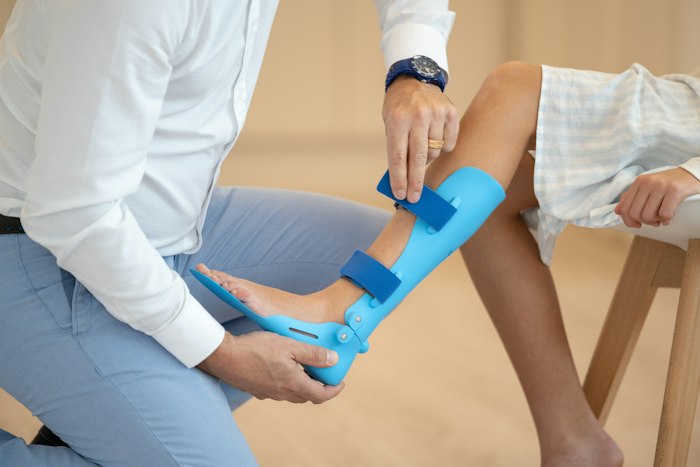
Treatment depends on the cause. Raising the legs, moving often, and wearing compression stockings can help move fluid. We check that circulation is safe before advising compression. Good skin care prevents cracks and infection, and we may refer you to a therapist trained in lymph drainage. We also work with your other doctors when a heart or kidney problem is involved.
Surgery is rarely the first choice for swelling. Vein procedures may help some vein problems, and lymphedema surgery is used only in select cases.
Recovery
What to expect over time.
Swelling from a short-term cause often eases in days to weeks. Long-term swelling, like lymphedema, is usually managed over time rather than cured.
When to book
Do not wait it out.
See a podiatrist if swelling lasts more than a week, keeps returning, or comes with skin changes or sores. Seek urgent care if one leg swells suddenly with pain, or if you have trouble breathing.
Call 615-220-8788Related care
More in Diabetic Foot Care, Wounds & Circulation.
- Diabetic Foot Exams & At-Risk Foot Care
- Diabetic Peripheral Neuropathy & Charcot Foot
- Foot Ulcers
- Chronic Non-Healing Wounds & Limb Preservation
- Foot Infections, Cellulitis, Abscesses & Osteomyelitis
- Peripheral Arterial Disease & Poor Circulation
- Tarsal Tunnel Syndrome, Nerve Entrapment, Burning Feet & Numbness
FAQ
Your questions answered.
Is a swollen leg a blood clot?
It can be, especially if one leg swells fast and hurts. That needs urgent care, so do not wait.
Do compression stockings help?
They often do for vein-related swelling. We check your circulation first so they are safe for you.
Get help with leg and foot swelling.
Where we treat it
Leg and Foot Swelling, Edema & Lymphedema care at 15 clinics.
- Brentwood10644 Concord Road
- Clarksville1762 Memorial Dr
- Columbia1215 Hatcher Lane
- Cookeville120 Walnut Commons Lane, Suite A
- Gallatin179 Hancock St, Suite 300
- Goodlettsville824 Wren Rd
- Hermitage3901 Central Pike, Suite 353
- Lebanon430 West Main Street
- Mount Juliet2628 North Mount Juliet Road
- Murfreesboro536 N Thompson Ln, Suite F
- Nashville300 20th Avenue North, Suite 103
- Pulaski306 South 7th Street
- Shelbyville120 Frank Martin Rd, Suite 200
- Smyrna693 President Pl, Suite 103
- Waverly110 Hillwood Drive