



Services
Foot & Ankle Arthritis & Joint Care
Stiff, swollen, or aching joints from wear, injury, gout, or inflammatory arthritis. We help you move with less pain. Available at 15 clinics across Middle Tennessee.
About foot and ankle arthritis and joint problems
Understanding foot and ankle arthritis and joint problems, and how we help.
Foot & Ankle Arthritis & Joint Care care is offered at 15 Neuhaus Foot & Ankle clinics across Middle Tennessee. Choose a clinic near you at the end of this page.
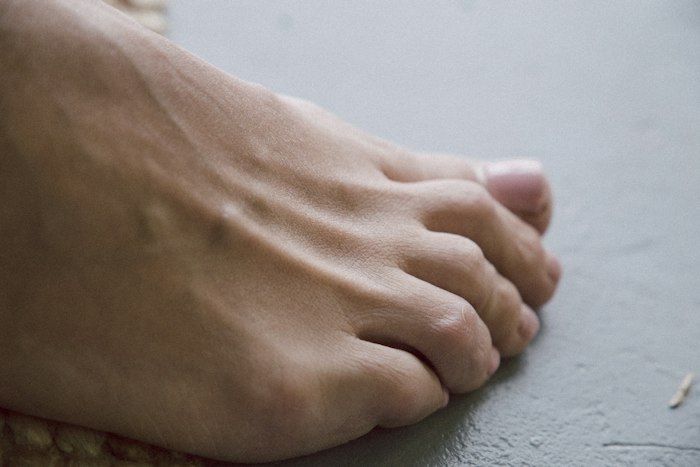
Your foot has more than 30 joints, and the ankle carries your full body weight. Arthritis wears down the smooth cartilage in these joints or inflames them, which causes pain, stiffness, and swelling.
This group covers wear-and-tear arthritis, arthritis after injury, inflammatory types such as rheumatoid and psoriatic arthritis, gout, and related joint problems such as bone spurs.
- Kids & adultswelcome at every clinic
- On site X-raysfor fast answers
- 15 clinicsacross Middle Tennessee
Conditions we treat
6 conditions we care for at every clinic.
Not sure which one you have? You do not need to know. We will find the cause.
Symptoms
Signs of foot and ankle arthritis and joint problems.
If you notice any of these signs, a visit can bring clear answers.
- 01
Aching or stiff joints, worse in the morning or after rest
- 02
Swelling and warmth around a joint
- 03
A grinding feeling or less motion
- 04
Sudden severe pain, redness, and heat in the big toe (a possible gout attack)
- 05
A bony bump or spur near a joint
Why it happens
Common causes of foot and ankle arthritis and joint problems.
- 01
Wear and tear over the years
- 02
Past injuries such as fractures and bad sprains
- 03
Autoimmune conditions such as rheumatoid or psoriatic arthritis
- 04
High uric acid, which causes gout
- 05
Extra body weight
- 06
Family history

Diagnosis and care
How we treat foot and ankle arthritis and joint problems.
Step 1 · Diagnosis
We check each joint for swelling, warmth, and motion, and ask about morning stiffness and past injuries. X-rays show narrowing of the joint and bone spurs. Blood tests, joint fluid tests, ultrasound, or MRI can help find the type of arthritis or confirm gout.
Step 2 · Treatment
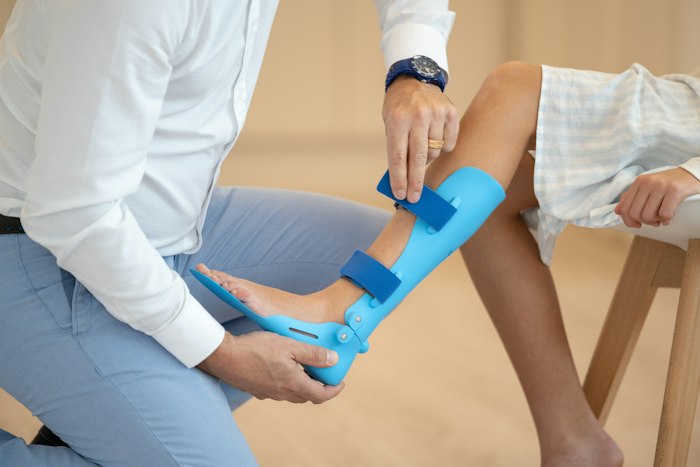
Most patients start with non surgical care: supportive shoes with a rocker sole, custom orthotics or braces, activity changes, anti-inflammatory medicine, and gentle exercise. Cortisone injections can calm a flare. For gout, we treat the attack quickly and build a plan to lower uric acid and prevent the next one.
When pain remains despite good care, surgery may help. Options include cleaning out bone spurs, repairing damaged cartilage, joint fusion, or joint replacement in select cases. We will explain which choice fits your goals and your daily life.
Recovery
What to expect.
Arthritis does not go away, but it can be managed well. Many people stay active with the right shoes, support, and treatment. Gout flares often ease in a few days with treatment, and long term care lowers the chance of repeat attacks.
When to book: See a podiatrist if joint pain lasts more than a few weeks, stiffness makes walking hard, or a joint is suddenly red, hot, and very painful.
Prevention
Tips to keep it from coming back.
- Stay active with low impact exercise like swimming or cycling
- Wear shoes with cushion and a stiff sole
- Keep a healthy weight
- Limit alcohol and sugary drinks if you have gout
- Take prescribed medicine exactly as directed
Is arthritis in the foot common?
Yes. With so many joints in the foot and ankle, arthritis is very common, especially after age 50 or after an injury.
Will I need surgery for foot arthritis?
Most people do not. Surgery is for cases that do not respond to shoes, support, medicine, and injections.
What is pseudogout?
Pseudogout looks like gout but is caused by a different kind of crystal in the joint. Treatment is similar for the flare, and the long term plan is different.
Where we treat it
Foot & Ankle Arthritis & Joint Care care at 15 clinics.
- Foot & Ankle Arthritis & Joint Care in Brentwood10644 Concord Road
- Foot & Ankle Arthritis & Joint Care in Clarksville1762 Memorial Dr
- Foot & Ankle Arthritis & Joint Care in Columbia1215 Hatcher Lane
- Foot & Ankle Arthritis & Joint Care in Cookeville120 Walnut Commons Lane, Suite A
- Foot & Ankle Arthritis & Joint Care in Gallatin179 Hancock St, Suite 300
- Foot & Ankle Arthritis & Joint Care in Goodlettsville824 Wren Rd
- Foot & Ankle Arthritis & Joint Care in Hermitage3901 Central Pike, Suite 353
- Foot & Ankle Arthritis & Joint Care in Lebanon430 West Main Street
- Foot & Ankle Arthritis & Joint Care in Mount Juliet2628 North Mount Juliet Road
- Foot & Ankle Arthritis & Joint Care in Murfreesboro536 N Thompson Ln, Suite F
- Foot & Ankle Arthritis & Joint Care in Nashville300 20th Avenue North, Suite 103
- Foot & Ankle Arthritis & Joint Care in Pulaski306 South 7th Street
- Foot & Ankle Arthritis & Joint Care in Shelbyville120 Frank Martin Rd, Suite 200
- Foot & Ankle Arthritis & Joint Care in Smyrna693 President Pl, Suite 103
- Foot & Ankle Arthritis & Joint Care in Waverly110 Hillwood Drive