

Pediatric Foot Care
Intoeing & Out-Toeing
Causes, symptoms, and treatment for intoeing and out-toeing, with care at 15 clinics across Middle Tennessee.
Understanding intoeing and out-toeing and your options.
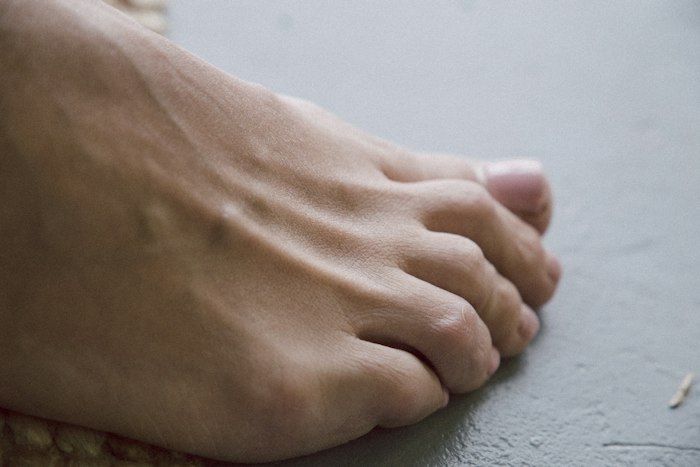
Intoeing means a child's toes point inward when walking. Out-toeing means the toes point outward. Both are common while children grow, and they often come from how the bones or legs are lined up.
Parents may notice tripping or an unusual walk. Most cases improve over time without treatment. A check helps make sure nothing more needs attention.
Symptoms
Signs of intoeing and out-toeing.
If you notice these signs, an exam can give you clear answers.
- 01
Toes pointing in or out when walking
- 02
Frequent tripping or stumbling
- 03
Knees or feet that turn in when sitting
- 04
A walking pattern that looks uneven
Why it happens
What can cause intoeing and out-toeing.
- 01
Twisting of the shin bone
- 02
Twisting of the thigh bone
- 03
Curved foot shape from the womb position
- 04
Sitting in positions that twist the legs
Diagnosis and care
How we treat intoeing and out-toeing.
Step 1 · Diagnosis
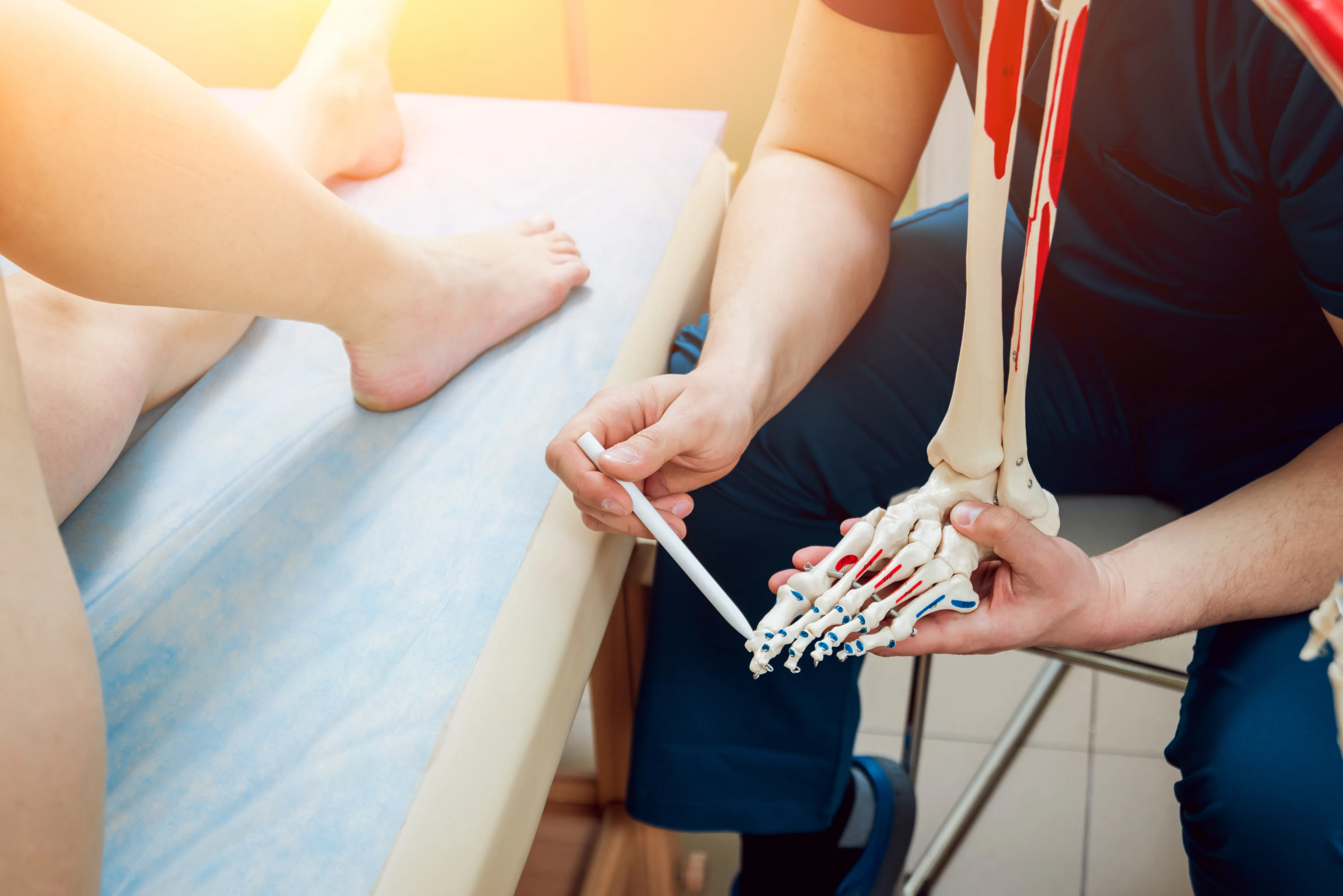
We watch your child walk and measure how the legs and feet turn. We check the hips, thighs, shins, and feet to find where the twist comes from. X-rays are not usually needed, but we may use them if something looks unusual or the twist is severe.
Step 2 · Treatment
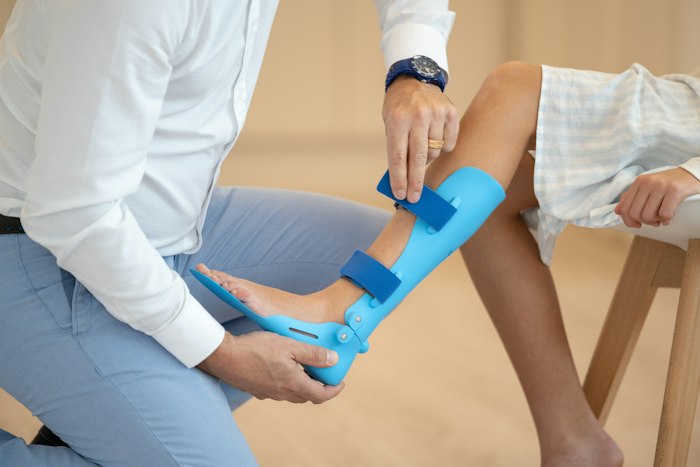
Most children improve with growth, so we often watch and recheck over time. We may suggest sitting positions that are gentler on the legs. Some children benefit from stretching, exercises, or supportive shoes. Special braces are rarely used and only when they fit the child's needs.
Surgery is very rarely needed. It may be considered for a severe twist that does not improve as the child grows and affects daily life.
Recovery
What to expect over time.
Many children improve gradually over months to years. Follow up visits help track how the legs are growing.
When to book
Do not wait it out.
See a podiatrist if your child trips often, has pain, or if one foot turns more than the other. Come in soon if the twist gets worse or appears after age eight.
Call 615-220-8788FAQ
Your questions answered.
Should we make our child change how they sit?
Sitting cross legged or on the heels can help. Avoid forcing positions, and ask us for tips that fit your child.
Is intoeing painful?
Usually not. Pain is a reason to have your child checked.
Get help with intoeing and out-toeing.
Where we treat it
Intoeing & Out-Toeing care at 15 clinics.
- Brentwood10644 Concord Road
- Clarksville1762 Memorial Dr
- Columbia1215 Hatcher Lane
- Cookeville120 Walnut Commons Lane, Suite A
- Gallatin179 Hancock St, Suite 300
- Goodlettsville824 Wren Rd
- Hermitage3901 Central Pike, Suite 353
- Lebanon430 West Main Street
- Mount Juliet2628 North Mount Juliet Road
- Murfreesboro536 N Thompson Ln, Suite F
- Nashville300 20th Avenue North, Suite 103
- Pulaski306 South 7th Street
- Shelbyville120 Frank Martin Rd, Suite 200
- Smyrna693 President Pl, Suite 103
- Waverly110 Hillwood Drive