



Flat Feet, High Arches & Alignment Disorders
Overpronation & Supination
Causes, symptoms, and treatment for overpronation and supination, with care at 15 clinics across Middle Tennessee.
Understanding overpronation and supination and your options.
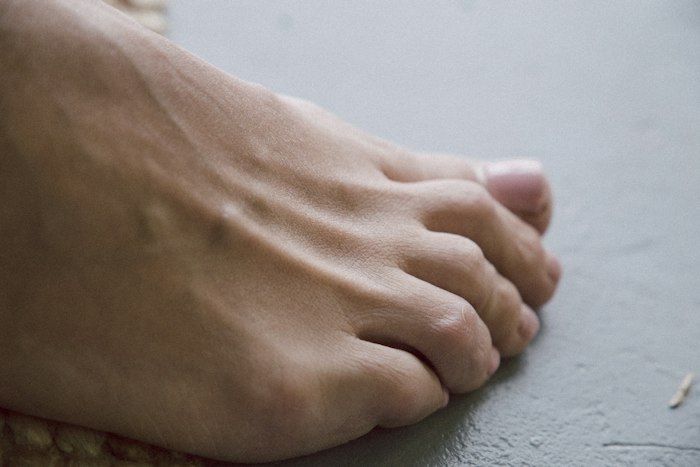
Pronation is the normal inward roll of the foot as you step. Overpronation means the foot rolls in too far. Supination, or underpronation, means the foot rolls too little and stays on the outer edge.
Both can change how force travels through your feet and legs. Runners and active people often notice them first.
Symptoms
Signs of overpronation and supination.
If you notice these signs, an exam can give you clear answers.
- 01
Sore arches or heels after activity
- 02
Shin, knee, or hip aches
- 03
Shoes that wear down on one side
- 04
Frequent ankle rolling or shin splints
Why it happens
What can cause overpronation and supination.
- 01
Flat or high arch shapes
- 02
Tight calf muscles or weak foot muscles
- 03
Worn-out or poorly fitting shoes
- 04
Running on hard or uneven surfaces
Diagnosis and care
How we treat overpronation and supination.
Step 1 · Diagnosis
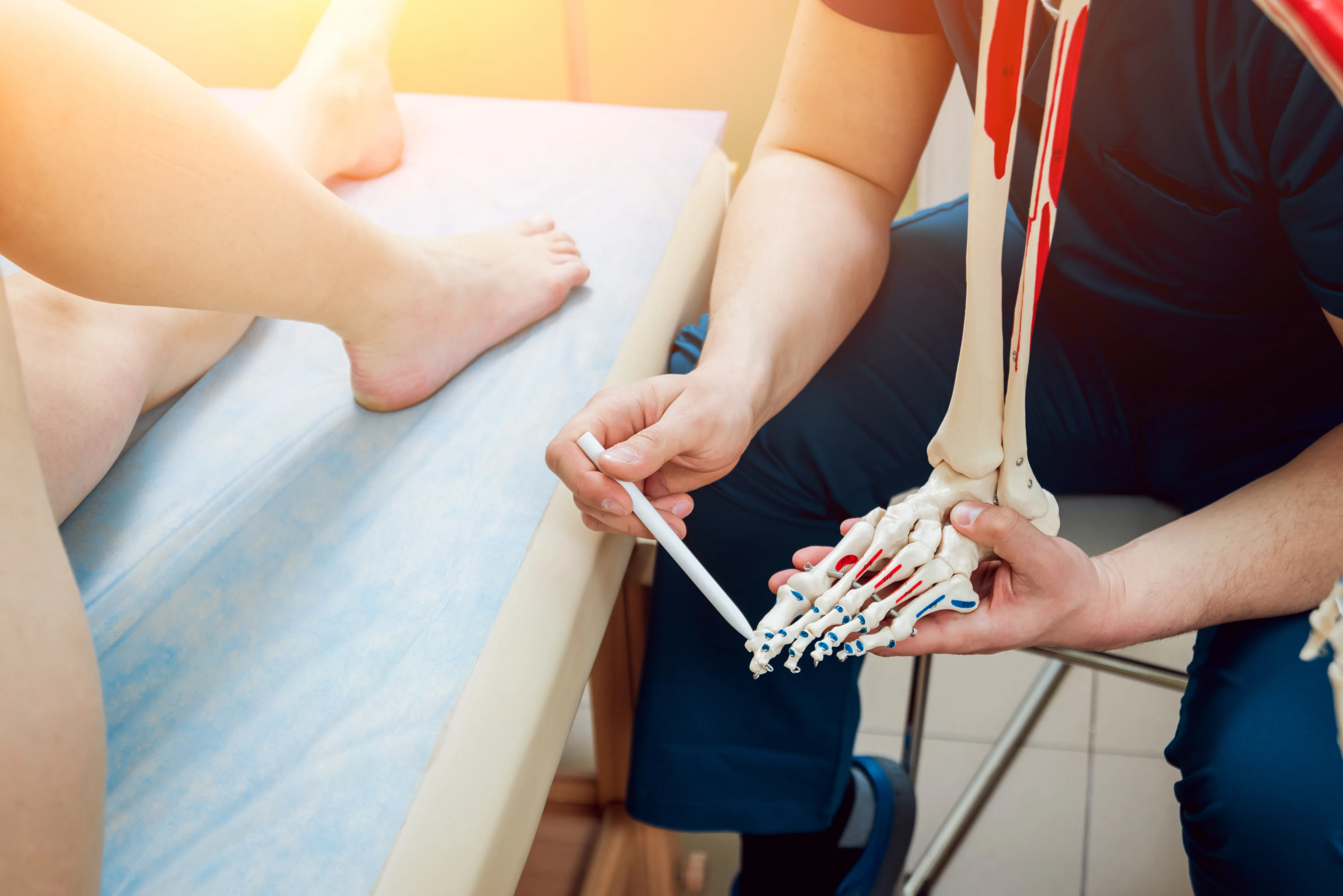
We watch how your foot lands and pushes off while you stand and walk. We look at your shoes for wear patterns. X-rays are used if we suspect a bone problem behind the pain.
Step 2 · Treatment
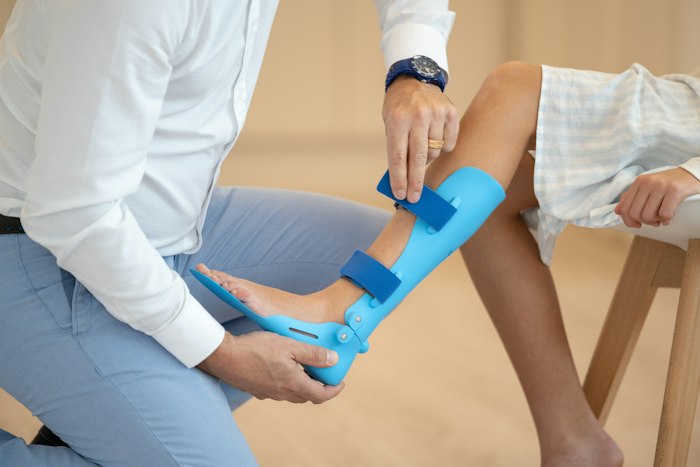
Shoes matched to your foot type make a large difference. Custom orthotics guide the foot toward a steadier motion. Calf stretches and foot strengthening build support, and physical therapy can help with running form. Ice and rest calm overworked tissues.
Surgery is rarely needed for pronation problems. It is only considered when a structural issue such as a collapsing arch is causing steady pain.
Recovery
What to expect over time.
Many people feel better in a few weeks after changing shoes and adding inserts. Full comfort may take a few months as your body adapts.
When to book
Do not wait it out.
See a podiatrist if pain keeps returning or if you have repeated injuries. Come in sooner if pain limits your usual activity.
Call 615-220-8788Related care
More in Flat Feet, High Arches & Alignment Disorders.
FAQ
Your questions answered.
How do I know my foot type?
Wear patterns on your shoes offer clues, but an exam gives a more reliable answer.
Do I need custom orthotics or store-bought inserts?
Some people do well with store-bought ones. Custom devices are made for your foot and may help when those fall short.
Get help with overpronation and supination.
Where we treat it
Overpronation & Supination care at 15 clinics.
- Brentwood10644 Concord Road
- Clarksville1762 Memorial Dr
- Columbia1215 Hatcher Lane
- Cookeville120 Walnut Commons Lane, Suite A
- Gallatin179 Hancock St, Suite 300
- Goodlettsville824 Wren Rd
- Hermitage3901 Central Pike, Suite 353
- Lebanon430 West Main Street
- Mount Juliet2628 North Mount Juliet Road
- Murfreesboro536 N Thompson Ln, Suite F
- Nashville300 20th Avenue North, Suite 103
- Pulaski306 South 7th Street
- Shelbyville120 Frank Martin Rd, Suite 200
- Smyrna693 President Pl, Suite 103
- Waverly110 Hillwood Drive