

Heel, Achilles & Arch Pain
Heel Fat Pad Syndrome & Fat Pad Atrophy
Causes, symptoms, and treatment for heel fat pad problems, with care at 15 clinics across Middle Tennessee.
Understanding heel fat pad problems and your options.
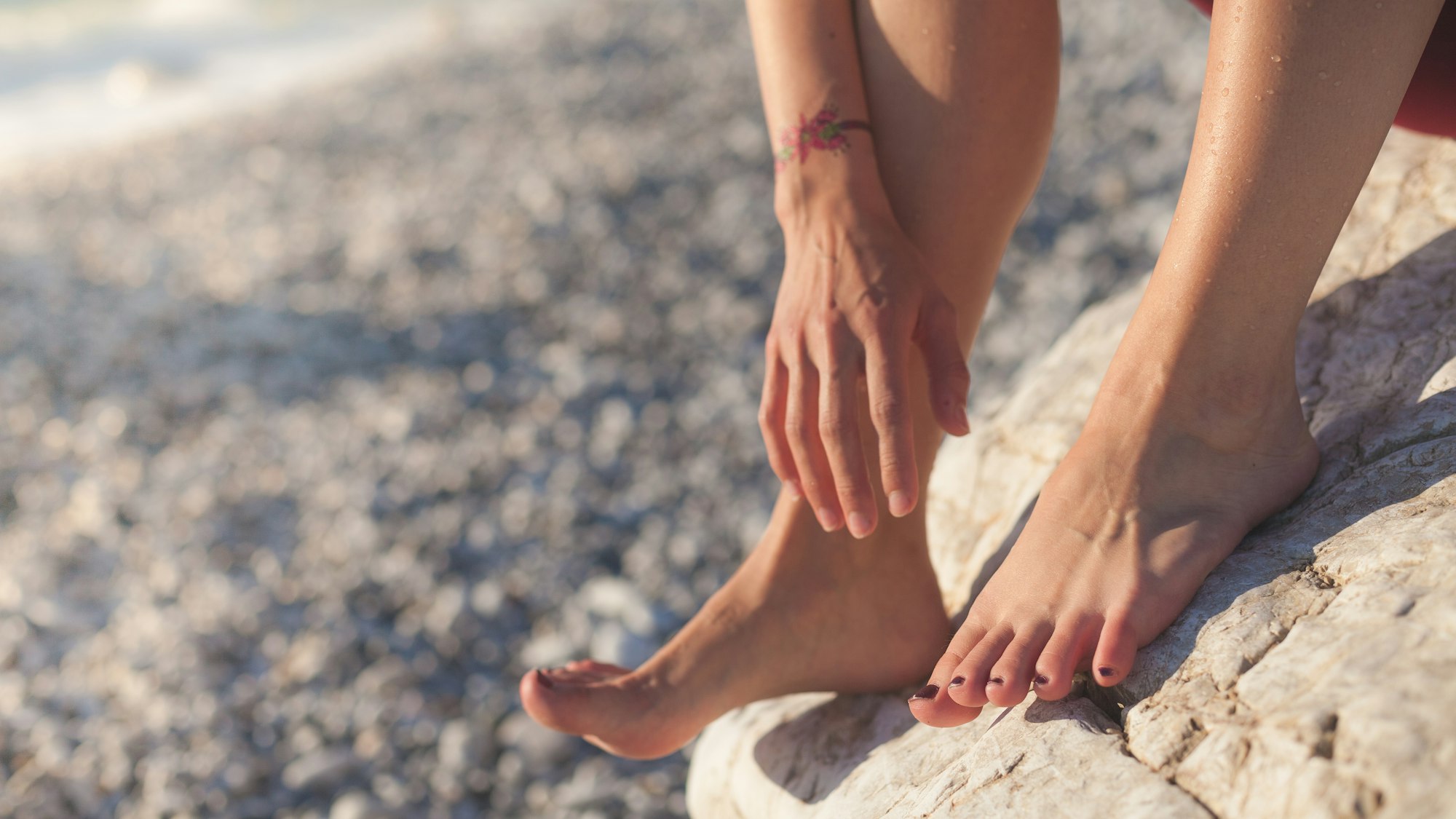
Under your heel bone sits a thick pad of fat that absorbs shock with every step. If it is bruised, inflamed, or worn thin, the heel loses its cushion. Doctors call this heel fat pad syndrome, and thinning over time is called fat pad atrophy.
It is more common in older adults, runners, and people who walk barefoot on hard floors. Since the pain can look like other heel problems, a proper exam helps you get the right plan.
Symptoms
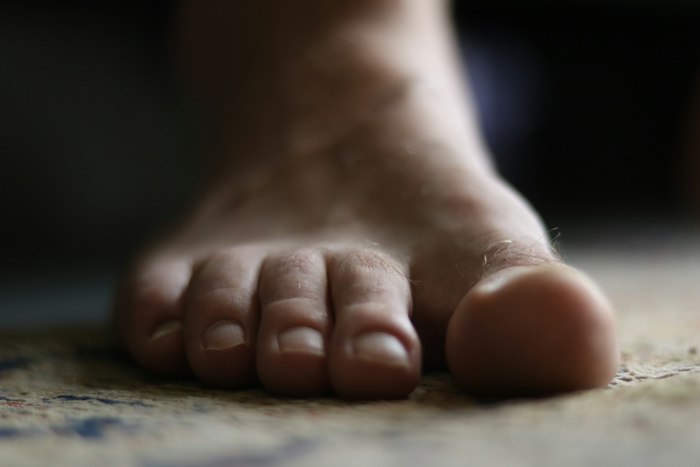
Signs of heel fat pad problems.
If you notice these signs, an exam can give you clear answers.
- 01
Deep, bruise-like pain in the middle of the heel
- 02
Pain when you walk barefoot or on hard floors
- 03
The heel feels thin or hard underneath
- 04
Soreness that gets worse as the day goes on
Why it happens
What can cause heel fat pad problems.
- 01
Natural thinning of the heel pad with age
- 02
Repeated hard landings from running or jumping
- 03
A hard blow to the heel, such as a fall
- 04
Long stretches of walking without cushioned shoes
Diagnosis and care
How we treat heel fat pad problems.
Step 1 · Diagnosis
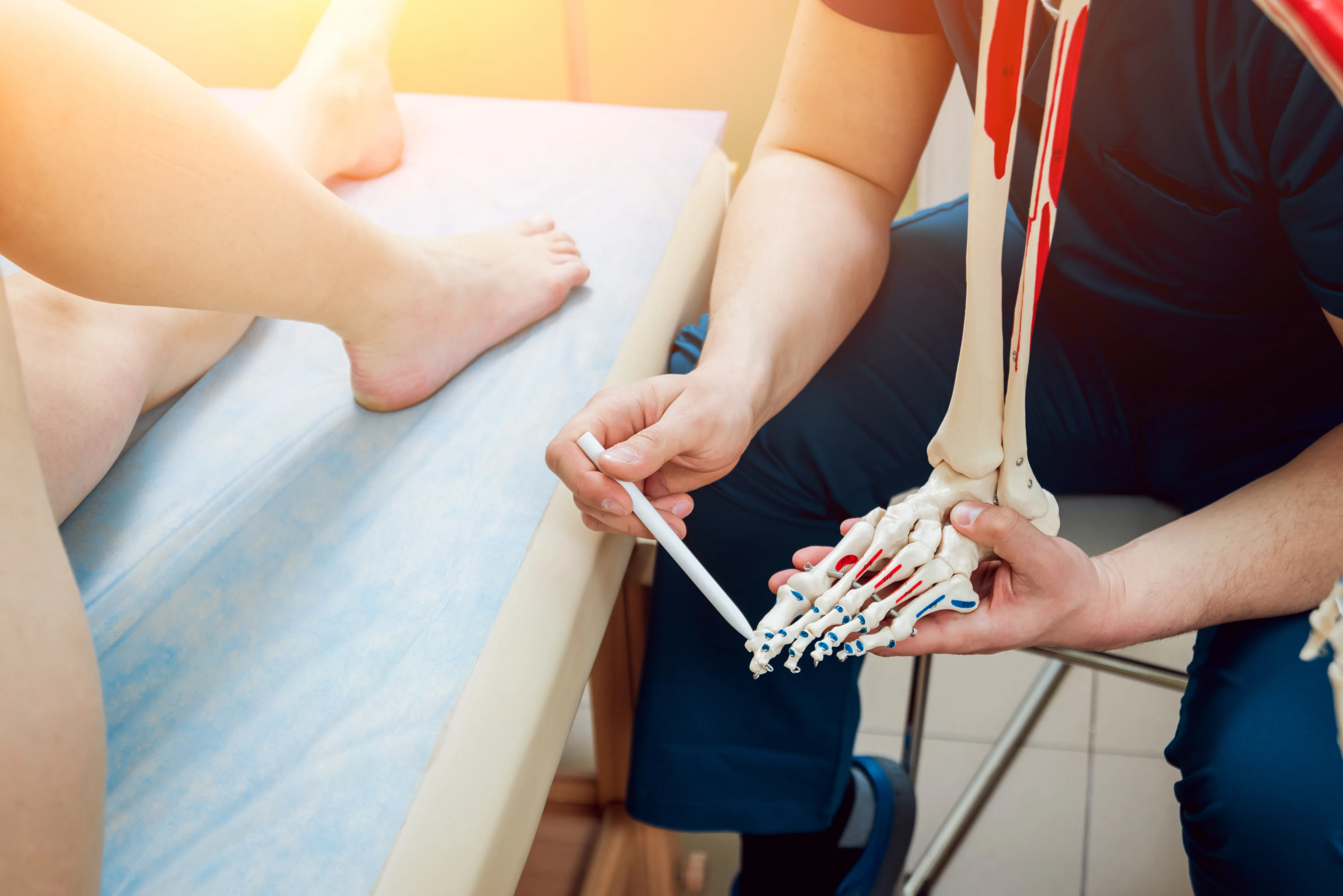
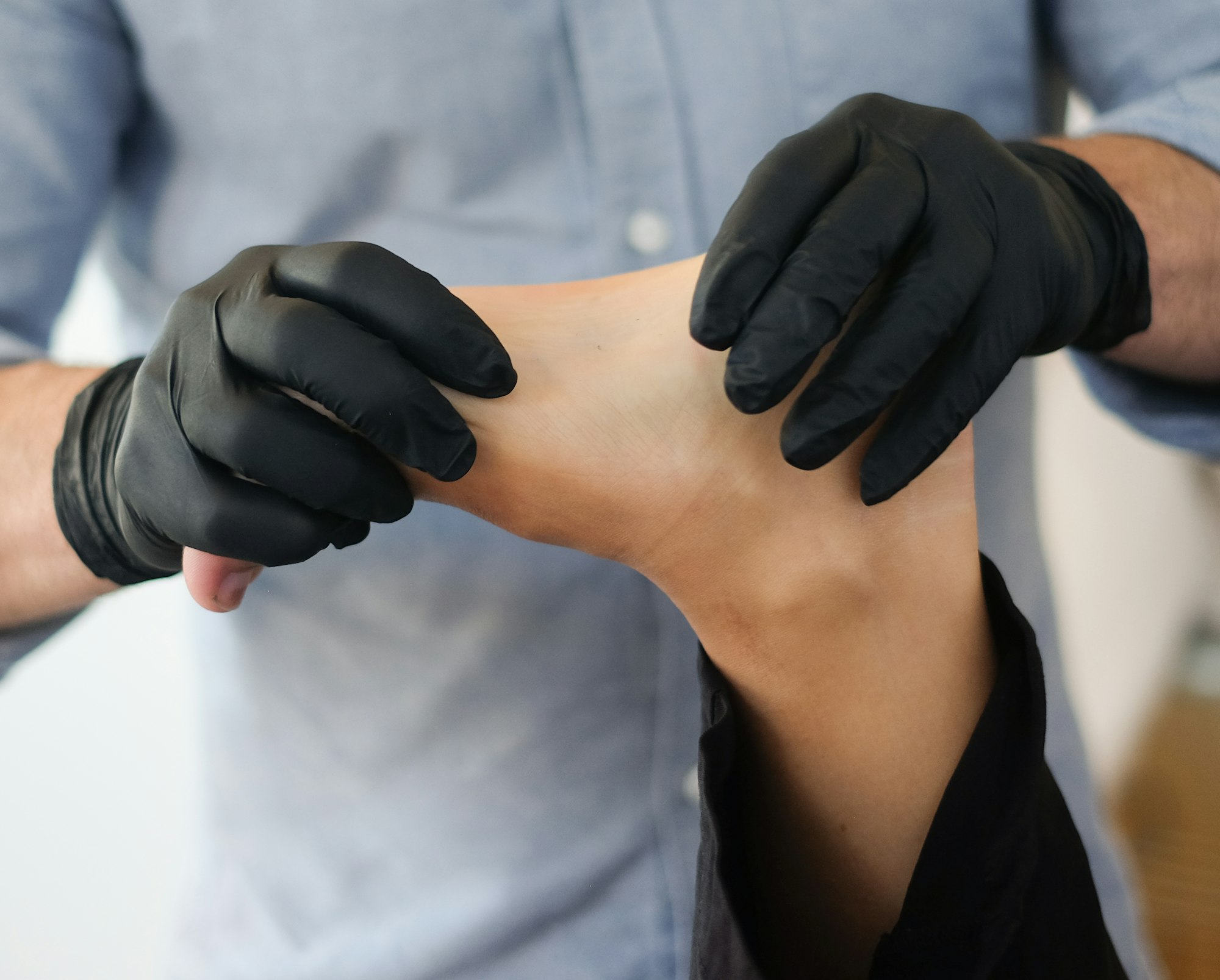
We press on the center of the heel and feel how thick and firm the pad is. Ultrasound can show the pad and measure its thickness. X-rays help rule out a stress fracture or a heel spur as the source.
Step 2 · Treatment
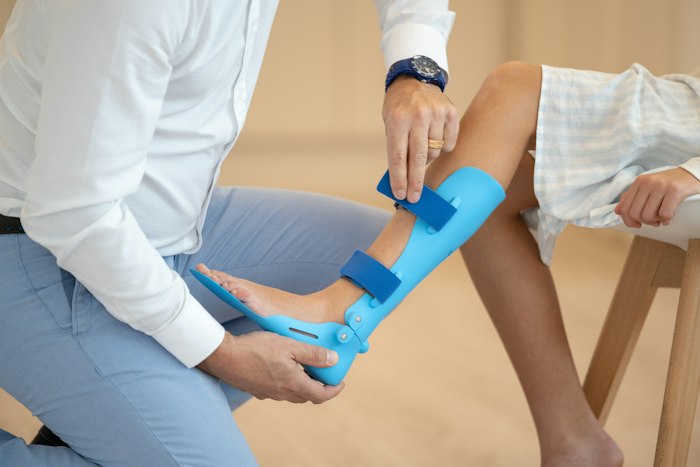
Care focuses on giving the heel its cushion back. Shoes with a thick, soft sole, gel or foam heel cups, and orthotics with heel padding spread out the impact. We may suggest less running on hard ground and walking with shoes at home. Taping can also help hold the pad in place.
Surgery is not common for this condition. A few advanced options exist for severe cases, but padding and activity changes work for most people.
Recovery
What to expect over time.
If the pad is bruised, it may improve over several weeks to a few months. A pad that has thinned with age will not grow back, but cushioning can keep you comfortable.
When to book
Do not wait it out.
See a podiatrist if deep heel pain lasts more than a couple of weeks or makes walking hard. Come promptly after a hard fall on the heel or if there is bruising or swelling.
Call 615-220-8788Related care
More in Heel, Achilles & Arch Pain.
FAQ
Your questions answered.
How is this different from plantar fasciitis?
Fat pad pain tends to be in the center of the heel and feels like a bruise. Plantar fasciitis is usually felt toward the inside front of the heel, with first-step pain.
Can the fat pad grow back?
Usually not once it has thinned. Good cushioning and supportive shoes protect the heel instead.
Get help with heel fat pad problems.
Where we treat it
Heel Fat Pad Syndrome & Fat Pad Atrophy care at 15 clinics.
- Brentwood10644 Concord Road
- Clarksville1762 Memorial Dr
- Columbia1215 Hatcher Lane
- Cookeville120 Walnut Commons Lane, Suite A
- Gallatin179 Hancock St, Suite 300
- Goodlettsville824 Wren Rd
- Hermitage3901 Central Pike, Suite 353
- Lebanon430 West Main Street
- Mount Juliet2628 North Mount Juliet Road
- Murfreesboro536 N Thompson Ln, Suite F
- Nashville300 20th Avenue North, Suite 103
- Pulaski306 South 7th Street
- Shelbyville120 Frank Martin Rd, Suite 200
- Smyrna693 President Pl, Suite 103
- Waverly110 Hillwood Drive