

Bunions, Toes & Forefoot Conditions · Pulaski clinic
Bunions, Toes & Forefoot Conditions treatment in Pulaski, TN
Painful bumps, bent toes, and ball-of-foot pain that make shoes hard to wear. We offer relief now and lasting fixes when you are ready. Care is available at our Pulaski clinic, 306 South 7th Street.
Bunions, Toes & Forefoot Conditions care in Pulaski
Understanding bunions, toe, and forefoot problems, and how we help in Pulaski.
Looking for bunions, toe, and forefoot problems care in Pulaski? Our Pulaski clinic at 306 South 7th Street offers exams, treatment, and follow up for bunions, toe, and forefoot problems, so you can get help close to home.
The front of the foot has many small joints and bones that carry your weight when you push off. Shoes that squeeze, foot shape passed down in families, or extra pressure can make the big toe lean, bend the smaller toes, or leave the ball of the foot sore.
This group covers bunions, bent toes, stiff big toe joints, and the many causes of pain in the ball of the foot, including nerve, joint, and ligament problems.
- Kids & adultswelcome at every clinic
- On site X-raysfor fast answers
- 15 clinicsacross Middle Tennessee
Conditions we treat
11 conditions we care for in Pulaski.
Pick a condition to read more. All are treated at our Pulaski clinic.
Big toe
Lesser toes
Symptoms
Signs of bunions, toe, and forefoot problems.
If you notice any of these signs and you live near Pulaski, a visit can bring clear answers.
- 01
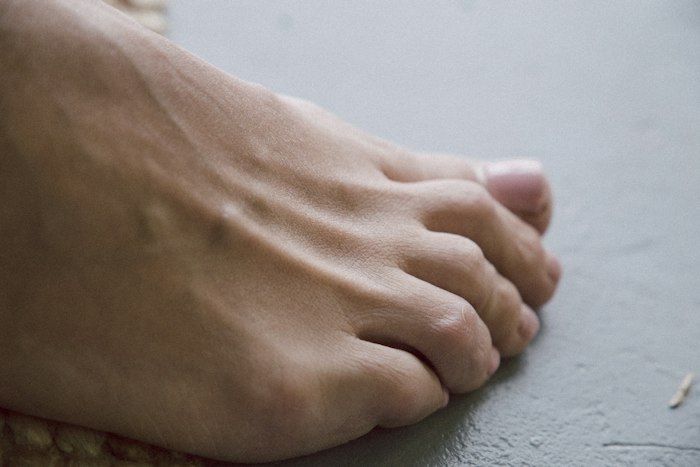
A bump on the side of the big toe or the little toe
- 02
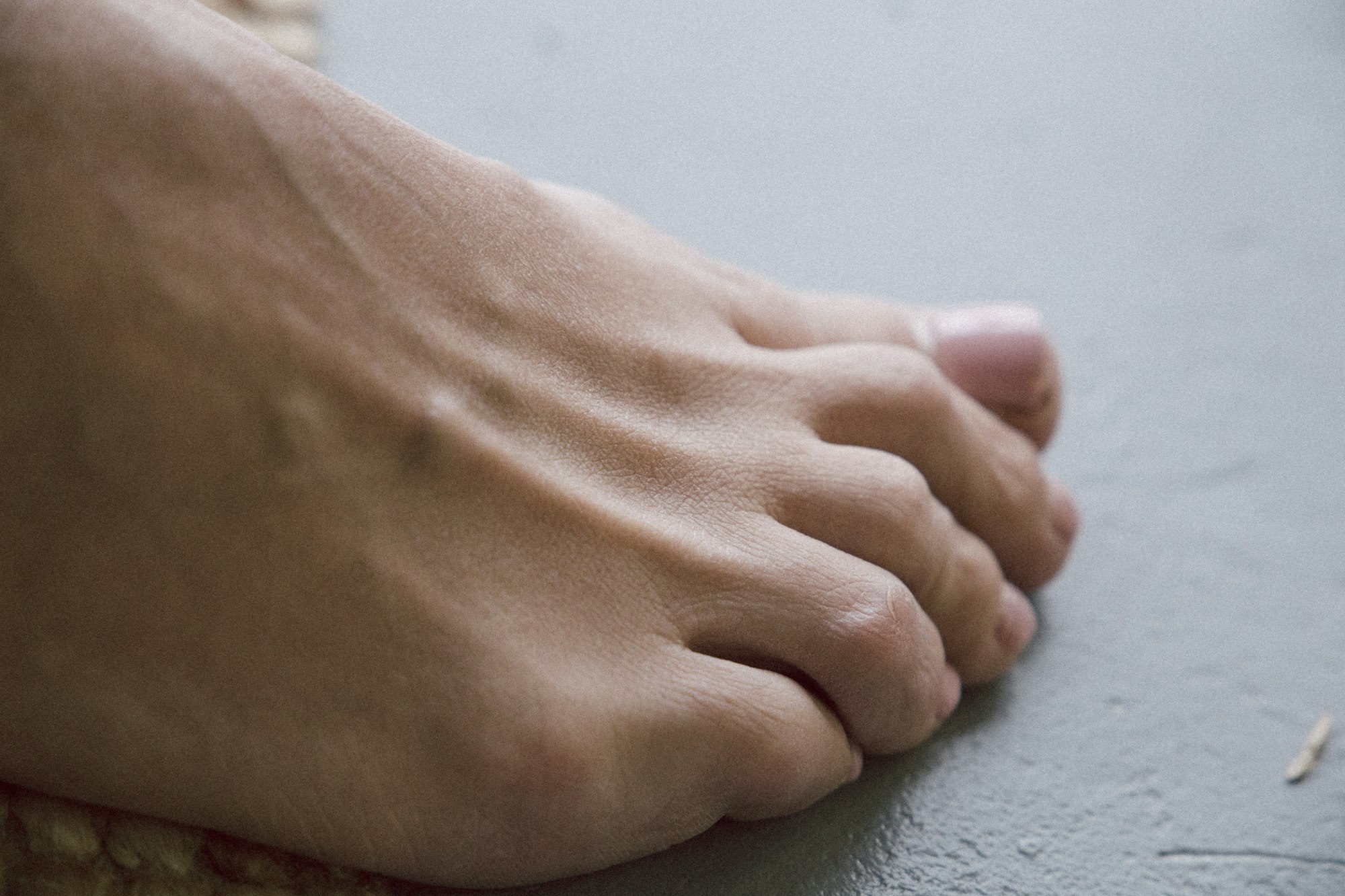
Toes that bend, cross over, or curl under
- 03
Burning, tingling, or a stone-in-the-shoe feeling in the ball of the foot
- 04
Pain or stiffness when you push off or bend the big toe
- 05
Corns or calluses where toes or the ball of the foot rub
Why it happens
Common causes of bunions, toe, and forefoot problems.
- 01
Family history and inherited foot shape
- 02
Narrow, pointed, or high heeled shoes
- 03
Flat feet or feet that roll inward
- 04
Arthritis or injury to a toe joint
- 05
Muscle imbalance or tight calf muscles
- 06
Repeated pressure from running or standing

Diagnosis and care
How we treat bunions, toe, and forefoot problems in Pulaski.
Step 1 · Diagnosis
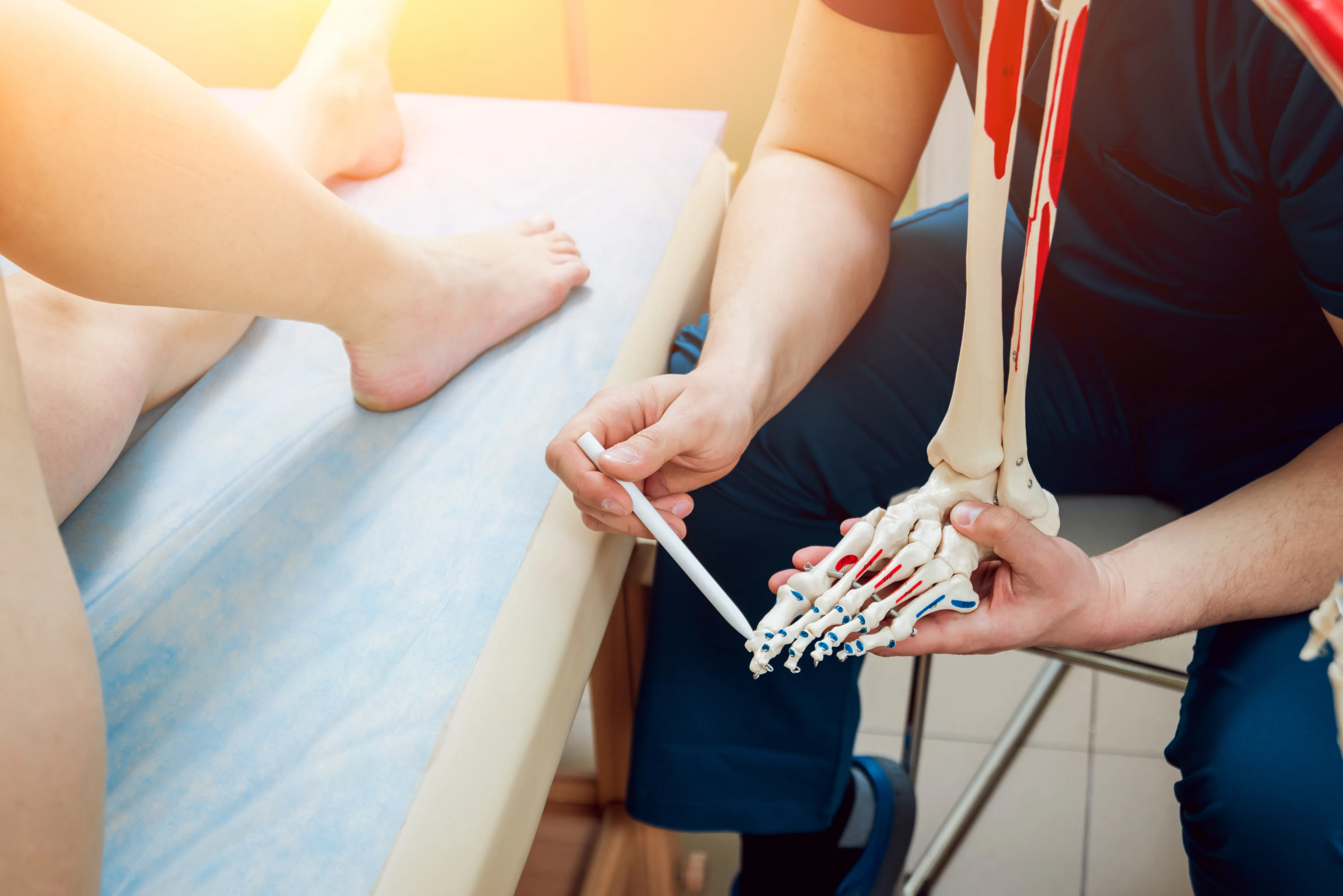
We look at the shape of your foot, test how each toe joint moves, and check for sore spots and nerve symptoms. Weight bearing X-rays show the angle of the joints, and we may use ultrasound or MRI to check ligaments, the plantar plate, or a neuroma.
Step 2 · Treatment
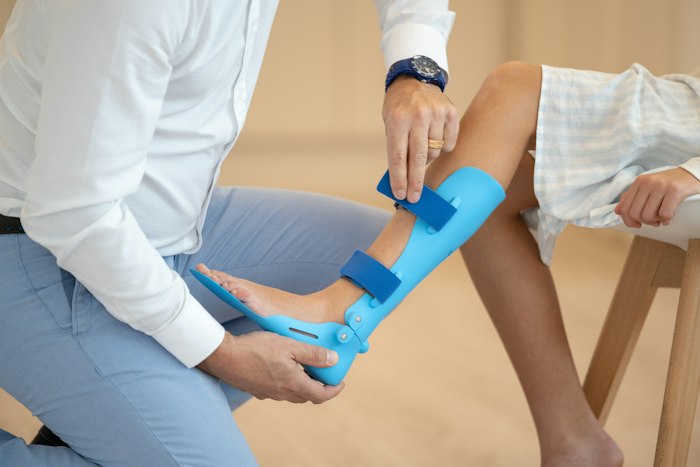
Early problems often improve with wider shoes, soft pads, toe spacers or splints, custom orthotics, and metatarsal pads that take pressure off the ball of the foot. Ice, anti-inflammatory care, and targeted injections can settle a sore joint or nerve. We also trim painful corns safely.
When pain limits your day or the deformity keeps growing, surgery can realign a bunion, straighten a toe, repair a plantar plate, or release a nerve. Modern methods often mean smaller cuts and an earlier return to walking. We will explain your options, the recovery, and what to expect.
Your visit
What to expect at our Pulaski clinic.
Your visit for bunions, toe, and forefoot problems in Pulaski is simple and friendly. Here is how it works.
- 1
Talk and exam
We listen first, then examine your feet and how you walk. Everything happens at our Pulaski clinic.
- 2
Clear diagnosis
Same visit X-rays when needed, so you get answers without waiting.
- 3
A plan for you
We start with the gentlest options that work, with follow ups close to home in Pulaski.
Recovery
What to expect after bunions, toe, and forefoot problems care.
Without surgery, most people feel better within weeks once they have the right shoes and support. After surgery, many patients walk in a special shoe soon after and return to regular shoes in about six to eight weeks. Full healing can take a few months.
When to book: See a podiatrist if a bump is growing, a toe is bending or stiff, or pain in the ball of the foot lasts more than a week or two. Early care gives you more options and often means simpler treatment.
Prevention
Tips to keep it from coming back.
- Choose shoes with a roomy toe box
- Avoid high heels and pointed shoes for long periods
- Use pads or spacers where toes rub
- Wear supportive inserts if you have flat feet
- Check your feet and shoes for changes every few months
Can a bunion go away without surgery?
No. A bunion will not straighten by itself, but many people control the pain with shoes, pads, and orthotics and never need surgery.
What is the difference between a neuroma and metatarsalgia?
Metatarsalgia is a general term for pain in the ball of the foot. A neuroma is one specific cause, a pinched and thickened nerve between the toes. An exam tells us which one you have.
Do bent toes get worse over time?
They often do, and flexible toes turn stiff. That is why early care matters.
Where can I get bunions, toe, and forefoot problems treated near Pulaski, TN?
Our Pulaski clinic is at 306 South 7th Street, Pulaski, TN 38478. Our podiatrists treat bunions, toe, and forefoot problems for children and adults there. Call 615-220-8788 to book.
How do I book a bunions, toe, and forefoot problems visit in Pulaski?
Call the Pulaski clinic at 615-220-8788, or book online on our website. Tell us about your symptoms and we will find a time that works for you.
Pulaski clinic
Get help with bunions, toe, and forefoot problems in Pulaski.
306 South 7th Street, Pulaski, TN 38478
Visit the Pulaski clinic pageNearby clinics
Bunions, Toes & Forefoot Conditions care near Pulaski.
- Bunions, Toes & Forefoot Conditions in ColumbiaAbout 30 miles away
- Bunions, Toes & Forefoot Conditions in ShelbyvilleAbout 39 miles away
- Bunions, Toes & Forefoot Conditions in BrentwoodAbout 57 miles away
- Bunions, Toes & Forefoot Conditions in MurfreesboroAbout 58 miles away