

Heel, Achilles & Arch Pain · Pulaski
Heel Spurs treatment in Pulaski, TN
Expert care for heel spurs at our Pulaski clinic, 306 South 7th Street.
Understanding heel spurs, and how we help in Pulaski.
Looking for help with heel spurs in Pulaski? Our Pulaski clinic at 306 South 7th Street offers exams, treatment, and follow up close to home.
A heel spur is a small, bony bump that grows on the underside of the heel bone. It forms slowly, often over months or years, as the body reacts to steady pulling on the foot's tissues. Many spurs are seen on X-rays in people who feel nothing at all.
Spurs are more common in adults and in people who run, stand a lot, or have plantar fasciitis. The pain people feel usually comes from the irritated tissue nearby, and treating that tissue early often brings relief.
Also called: Calcaneal Spurs
Symptoms
Signs of heel spurs.
If you notice these signs and live near Pulaski, an exam can give you clear answers.
- 01
Pain at the bottom of the heel when you stand or walk
- 02
A feeling like a small stone under the heel
- 03
Tenderness when you press on the front of the heel
- 04
Soreness that is worse after rest or long activity
Why it happens
What can cause heel spurs.
- 01
Long-term pulling of the foot's supporting band on the heel bone
- 02
Repeated impact from running or hard-surface work
- 03
Tight calves and stiff feet
- 04
Poorly fitting shoes or worn-out footwear
Diagnosis and care
How we treat heel spurs in Pulaski.
Step 1 · Diagnosis
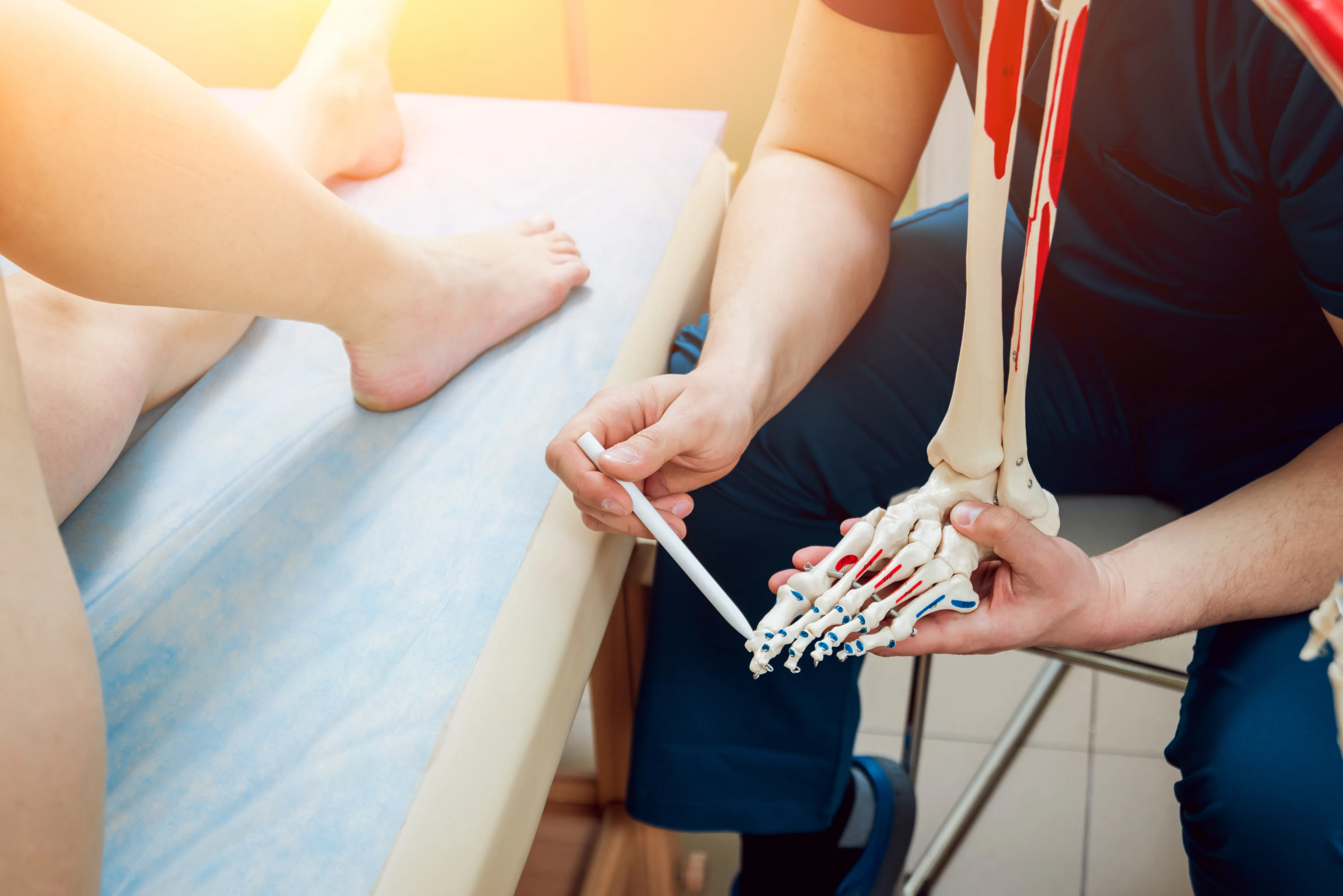
A weight-bearing X-ray is the best way to see a spur, and it also shows the shape of the heel bone. We check where it hurts, because the spur itself is often not the source of pain. This helps us tell whether the true problem is the nearby fascia or another condition.
Step 2 · Treatment
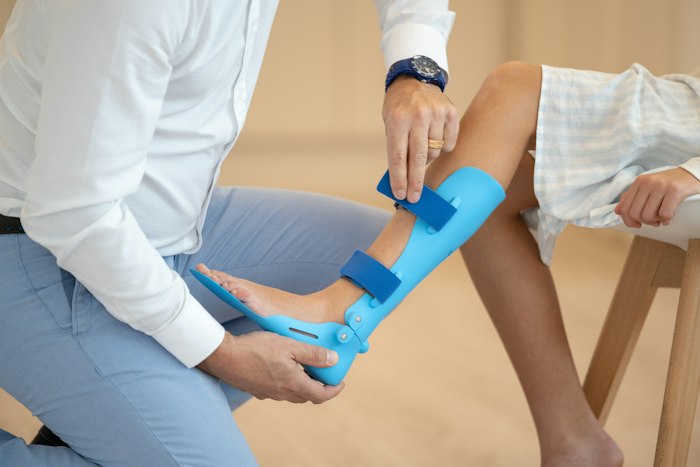
Treatment aims at the sore tissue around the spur. Padded heel cups, custom orthotics, and roomy, cushioned shoes reduce pressure on the bone. Stretching, physical therapy, and taping can ease pulling on the heel. Shockwave therapy or an injection may be tried when pain lingers.
Surgery to remove a spur is rare and is only considered after a long trial of other care. The bump does not need to be removed just because it appears on an X-ray.
Your visit
What to expect at our Pulaski clinic.
Your visit for heel spurs in Pulaski is simple and friendly.
- 1
Talk and exam
We listen first, then examine your feet and how you walk at our Pulaski clinic.
- 2
Clear answers
X-rays or other imaging when needed, so you leave knowing what is wrong.
- 3
A plan for you
We begin with gentle options that work, with follow ups close to home in Pulaski.
Recovery
What to expect over time.
Most people feel better over weeks to a few months once the irritated tissue calms down. The spur usually stays on the X-ray, but pain can still go away.
When to book
Do not wait it out in Pulaski.
See us if heel pain keeps returning or lasts longer than two weeks. Get checked promptly if the heel looks red, feels hot, or hurts even at rest.
Call 615-220-8788Related care
More in Heel, Achilles & Arch Pain.
- Heel Pain, Arch Pain & Morning Heel Pain in Pulaski
- Plantar Fasciitis & Chronic Plantar Fasciosis in Pulaski
- Achilles Tendinitis & Tendinosis in Pulaski
- Achilles Tendon Tears & Ruptures in Pulaski
- Retrocalcaneal & Plantar Heel Bursitis in Pulaski
- Haglund's Deformity in Pulaski
- Heel Fat Pad Syndrome & Fat Pad Atrophy in Pulaski
- Calcaneal Stress Fractures in Pulaski
- Sever's Disease in Pulaski
FAQ
Your questions answered.
Do heel spurs go away on their own?
The bone itself does not shrink, but the pain often fades with care. Many people live comfortably with a spur.
Do I need surgery to remove the spur?
Most people do not. Pain is usually managed by treating the soft tissue and easing pressure on the heel.
Do you treat heel spurs in Pulaski, TN?
Yes. Our Pulaski clinic at 306 South 7th Street, Pulaski, TN 38478 treats heel spurs in children and adults. Call 615-220-8788 to book a visit.
How soon can I be seen for heel spurs in Pulaski?
Call the Pulaski clinic at 615-220-8788 or send a request online. Tell us about your pain and we will find the earliest time that works for you.
Pulaski clinic
Get help with heel spurs in Pulaski.
306 South 7th Street, Pulaski, TN 38478
Visit the Pulaski clinic pageNearby clinics
Heel Spurs care near Pulaski.
- ColumbiaAbout 30 miles away
- ShelbyvilleAbout 39 miles away
- BrentwoodAbout 57 miles away
- MurfreesboroAbout 58 miles away