


Heel, Achilles & Arch Pain · Pulaski
Plantar Fasciitis & Chronic Plantar Fasciosis treatment in Pulaski, TN
Expert care for plantar fasciitis and chronic plantar fasciosis at our Pulaski clinic, 306 South 7th Street.
Understanding plantar fasciitis and chronic plantar fasciosis, and how we help in Pulaski.
Looking for help with plantar fasciitis and chronic plantar fasciosis in Pulaski? Our Pulaski clinic at 306 South 7th Street offers exams, treatment, and follow up close to home.
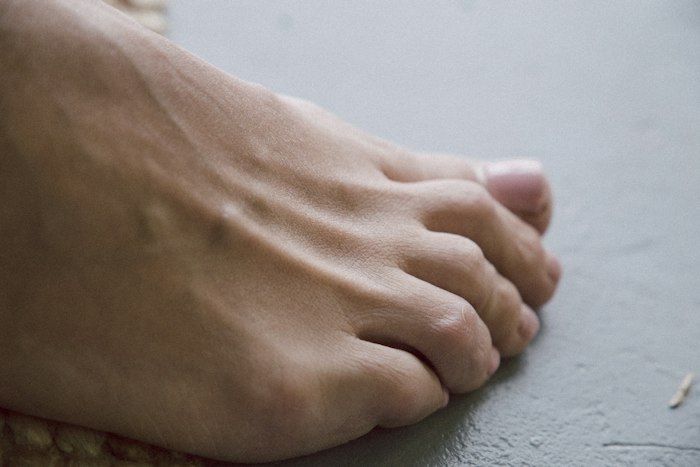
The plantar fascia is a strong band that runs from your heel to your toes and supports the arch. When it is overloaded, it can become sore and inflamed, which is called plantar fasciitis. If the problem lasts for months, the tissue can wear down and thicken, and this is called plantar fasciosis.
It is one of the most common causes of heel pain and shows up in runners, teachers, nurses, and many others. Starting care early can help stop a short flare from becoming a long-term problem.

Symptoms
Signs of plantar fasciitis and chronic plantar fasciosis.
If you notice these signs and live near Pulaski, an exam can give you clear answers.
- 01
Stabbing pain in the bottom of the heel with first steps
- 02
Pain after standing up from a long time sitting
- 03
Soreness that builds during long days on your feet
- 04
A tight, pulling feeling along the arch
Why it happens
What can cause plantar fasciitis and chronic plantar fasciosis.
- 01
Repeated strain from running, jumping, or long standing
- 02
Tight calf muscles and a stiff Achilles tendon
- 03
Flat feet, high arches, or unusual foot mechanics
- 04
Extra body weight or sudden weight change
Diagnosis and care
How we treat plantar fasciitis and chronic plantar fasciosis in Pulaski.
Step 1 · Diagnosis
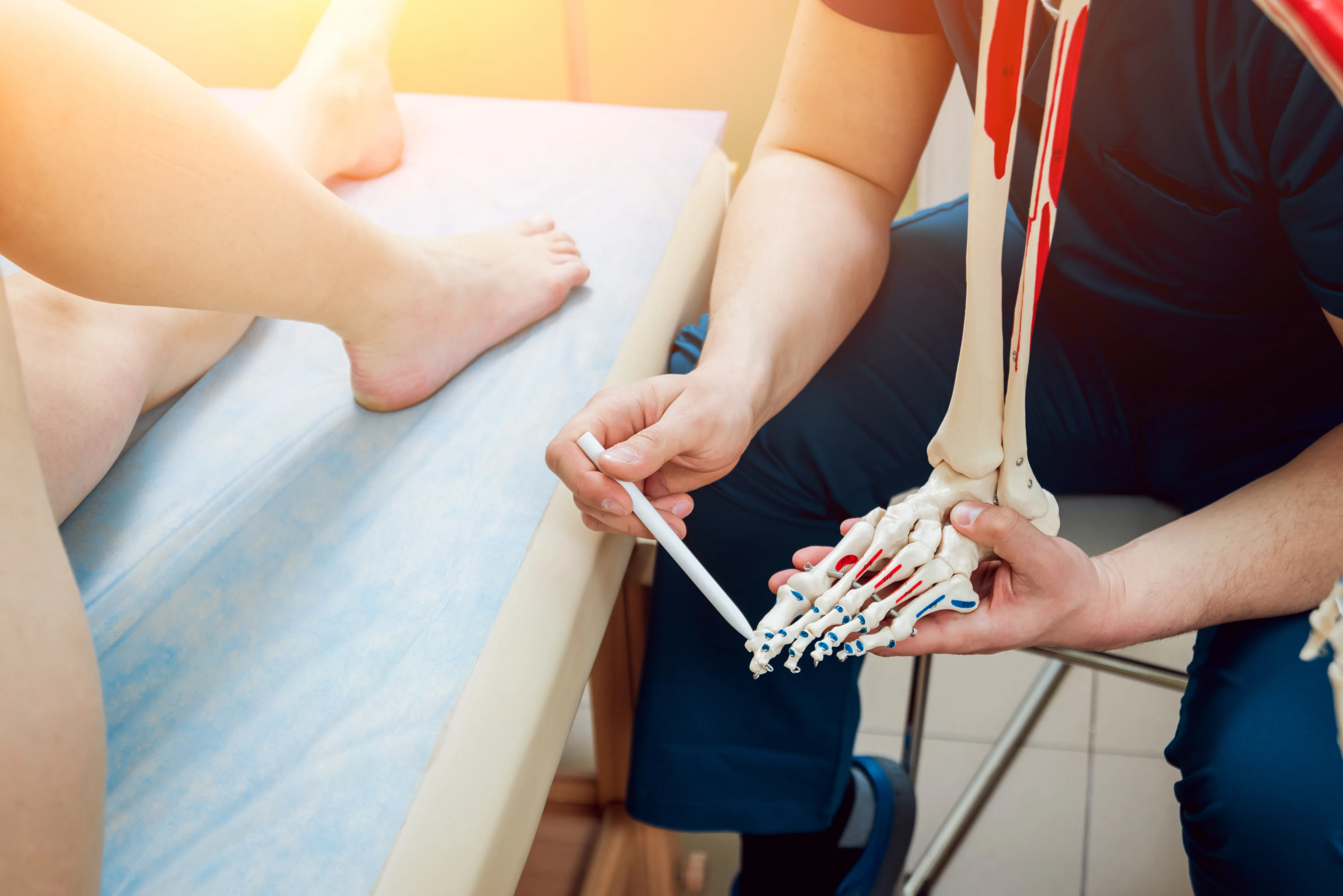
We look for pain at the spot where the band meets the heel and check how tight your calf and foot are. An X-ray can rule out a stress fracture or other bone problem. Ultrasound can show a thickened fascia, especially when the pain has lasted a long time.
Step 2 · Treatment
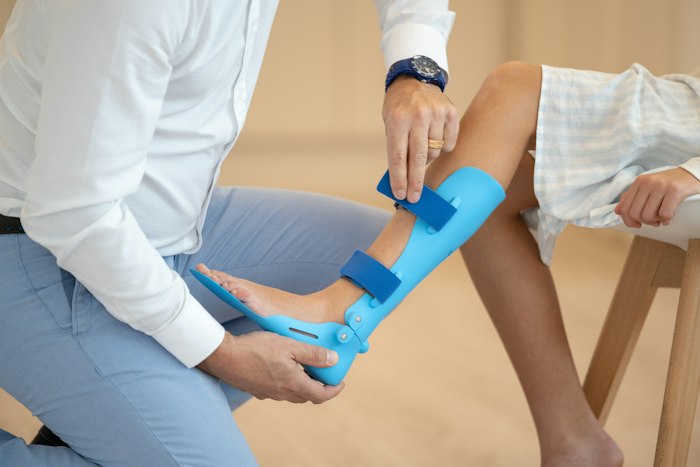
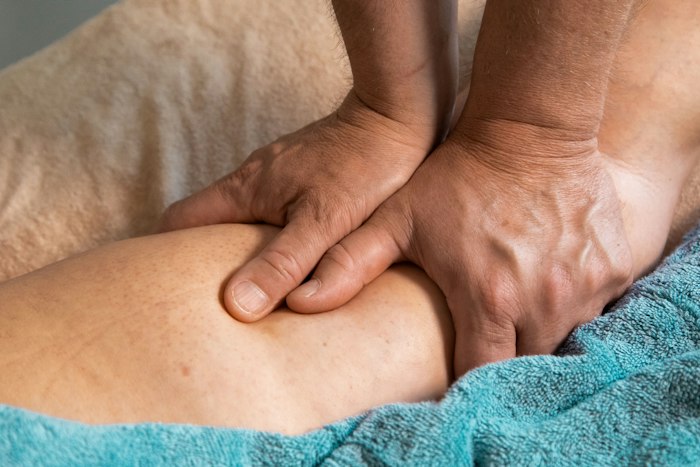
Care starts with daily stretches for the calf and the bottom of the foot, plus shoes with good cushion and arch support. Night splints, taping, and custom orthotics can take strain off the band. Physical therapy helps build strength and flexibility. For pain that will not settle, shockwave therapy or an injection may be options.
Surgery is uncommon and is usually kept for pain that lasts many months despite steady non-surgical care. A procedure may release part of the fascia to reduce tension.
Your visit
What to expect at our Pulaski clinic.
Your visit for plantar fasciitis and chronic plantar fasciosis in Pulaski is simple and friendly.
- 1
Talk and exam
We listen first, then examine your feet and how you walk at our Pulaski clinic.
- 2
Clear answers
X-rays or other imaging when needed, so you leave knowing what is wrong.
- 3
A plan for you
We begin with gentle options that work, with follow ups close to home in Pulaski.
Recovery
What to expect over time.
Most people improve over several weeks to a few months. Chronic cases can take six months or longer, and staying with the stretching plan helps keep pain from returning.
When to book
Do not wait it out in Pulaski.
Book a visit if your heel pain has lasted more than two weeks or is getting worse. Do not wait if you cannot walk normally or the heel is swollen, red, or numb.
Call 615-220-8788Related care
More in Heel, Achilles & Arch Pain.
- Heel Pain, Arch Pain & Morning Heel Pain in Pulaski
- Heel Spurs in Pulaski
- Achilles Tendinitis & Tendinosis in Pulaski
- Achilles Tendon Tears & Ruptures in Pulaski
- Retrocalcaneal & Plantar Heel Bursitis in Pulaski
- Haglund's Deformity in Pulaski
- Heel Fat Pad Syndrome & Fat Pad Atrophy in Pulaski
- Calcaneal Stress Fractures in Pulaski
- Sever's Disease in Pulaski
FAQ
Your questions answered.
What is the difference between fasciitis and fasciosis?
Fasciitis usually means a newer, inflamed band. Fasciosis means long-term wear and thickening of the tissue, which often needs a longer plan.
Will a cortisone shot fix it for good?
An injection can calm pain for a time, but it does not fix the reasons the band is overloaded. It works best alongside stretching, support, and activity changes.
Do you treat plantar fasciitis and chronic plantar fasciosis in Pulaski, TN?
Yes. Our Pulaski clinic at 306 South 7th Street, Pulaski, TN 38478 treats plantar fasciitis and chronic plantar fasciosis in children and adults. Call 615-220-8788 to book a visit.
How soon can I be seen for plantar fasciitis and chronic plantar fasciosis in Pulaski?
Call the Pulaski clinic at 615-220-8788 or send a request online. Tell us about your pain and we will find the earliest time that works for you.
Pulaski clinic
Get help with plantar fasciitis and chronic plantar fasciosis in Pulaski.
306 South 7th Street, Pulaski, TN 38478
Visit the Pulaski clinic pageNearby clinics
Plantar Fasciitis & Chronic Plantar Fasciosis care near Pulaski.
- ColumbiaAbout 30 miles away
- ShelbyvilleAbout 39 miles away
- BrentwoodAbout 57 miles away
- MurfreesboroAbout 58 miles away